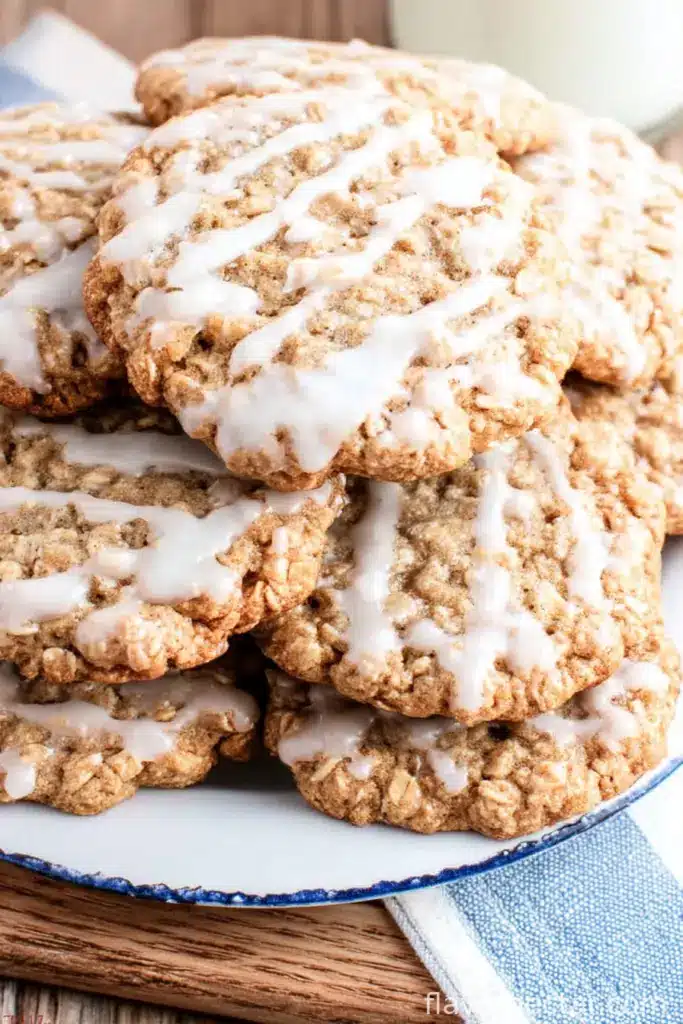
If Nostalgia Had a Taste, It’s Definitely These Cookies
Oh boy, do old fashioned iced oatmeal cookies take me straight back to my grandma’s kitchen—her tiny house always smelled vaguely of cinnamon (and just a little of laundry soap, for some reason). I made these last weekend when my neighbor dropped in unannounced and, well, we both ended up cozied up on the couch with crumbs all down our shirts, so that alone should tell you how dangerous they are. These cookies are soft with a little crisp on the edges, all under a sweet crackly icing—sort of old-school bakery vibes. Plus, I may have eaten one or three before the icing set. Whoops.
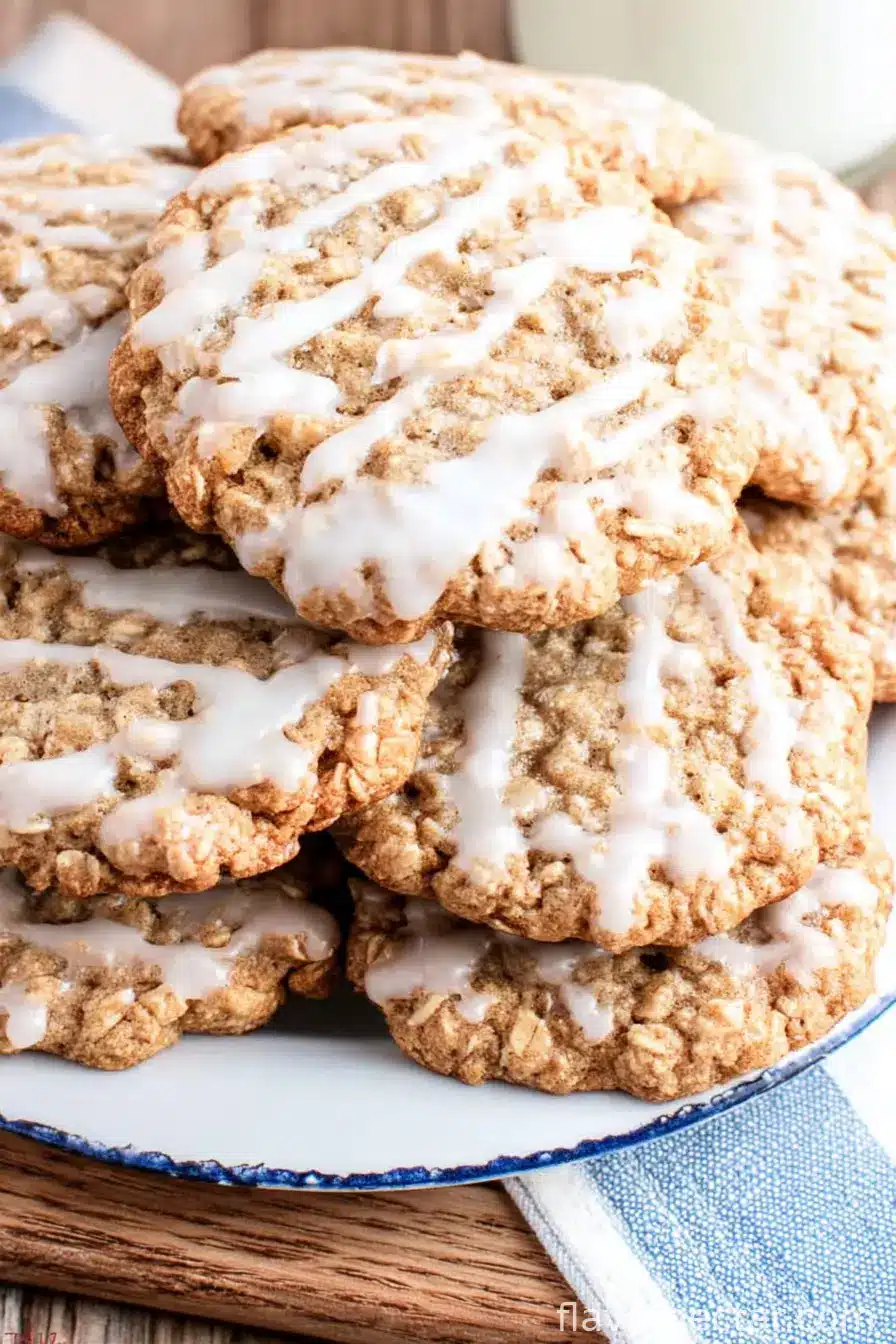
Why I Keep Making These (and Maybe You Will Too)
I pull out this recipe on rainy Saturday afternoons when the house feels dreary or when I’m just craving something that makes my kitchen feel like a warm hug. My family demolishes the entire batch almost as soon as the icing has set (though my brother claims he “hates oatmeal”—liar, I caught him with two in his pocket). I even turn on some old records while baking them for the full effect. Oh, and the best part? You don’t need any fancy ingredients, just patience with your dough while it chills. Waiting is the hardest part (I always peek in the fridge wondering if those 45 minutes are up yet).
What You’ll Need (Plus a Few Notes From My Pantry)
- cookies
- 2 cups old-fashioned rolled oats (I’ve never tried quick oats in these—could work, but I’d stick with the classics if you can)
- 2 cups all-purpose flour (Grandma swore by Gold Medal, but I just buy whatever’s cheap to be honest)
- 1 teaspoon baking soda
- 1 teaspoon Kosher salt (table salt works in a pinch)
- 1 ½ teaspoons cinnamon (I’ve tossed in a dash of nutmeg before—just for kicks)
- 1 cup unsalted butter, softened to room temperature (confession: if I’m out, sometimes I do half butter and half margarine and nobody notices)
- 1 cup light brown sugar, packed
- ½ cup granulated sugar
- 2 large eggs, room temperature (forgot to bring to room temp? Run them under warm, not hot, water for a minute)
- 2 teaspoons vanilla extract (real or imitation, honestly both taste great here)
- Icing
- 2 cups confectioner’s sugar, sifted (I’ll be real—I rarely sift unless it’s super clumpy)
- ½ teaspoon vanilla extract
- 2–2 ½ Tablespoons milk (whole milk is best, but 2% works fine, too)
How I Make These (A Step-by-Step Adventure)
- Start by grabbing a medium bowl and mix together your oats, flour, baking soda, salt, and cinnamon. I usually spill at least a little oat dust on the counter, so just embrace the mess early on. Set that aside—it’s your dry stuff pile.
- In a bigger bowl (or the bowl of a stand mixer if you want to feel fancy), beat the softened butter with the brown and white sugars. Medium speed is good. And here’s where I sometimes sneak a quick taste (totally safe at this point). Go for about 1-2 minutes, till it all looks kind of light and fluffy, but don’t fuss if it’s not cloud-like—creaming is weirdly forgiving.
- Add your eggs and vanilla in next, and crank it up to high speed. Whip it until the mixture’s smooth-ish and a bit paler, usually about another minute. If your eggs were straight from the fridge, it might look a bit lumpy. It’ll all smooth out—promise.
- Now tip in those dry ingredients from earlier. I go slow on the mixer because nobody wants a flour puff all over their face. Mix until it just comes together. Seriously, once you don’t see flour streaks, stop. Overmixing here can make the cookies tough (learned this the hard way).
- Stick that dough in the fridge for about 45 minutes to chill. (I know—it feels long, but it really does make the cookies bake up thicker and less flat. I used to skip this; big mistake, unless you want oatmeal lace pancakes.)
- About 10 minutes before the dough’s ready, preheat your oven to 350°F (or about 175°C if you’re on my side of the pond). Plop a sheet of parchment on a baking tray. Or grease it with butter if you’re out of parchment, but I’d avoid foil (my cookies stuck once and I had to scrape them off in sad chunks).
- Use a spoon or a small ice cream scoop to roll out dough—roughly 1 ½ Tablespoons each. I don’t measure anymore; I just eyeball, but feel free to be more precise! Leave at least 2-3 inches between cookies because, trust me, they need space to spread their wings.
- Bake for 10 to 12 minutes, just until the edges are golden brown and the middles look barely set. (They’ll seem soft, but they firm up a bit as they cool. Don’t go overboard or you lose that chewy center!)
- When they come out of the oven, let them hang out on the tray for about 8-10 minutes. Seriously, don’t move them too soon or they’ll totally fall apart (I learned this after losing half my first batch to the cooling rack abyss). Once they’re firmed up, transfer to a wire rack to cool down properly.
- Meanwhile, it’s icing time. Dump your confectioner’s sugar into a shallow bowl (bonus points for sifting, but honestly, I usually skip it). Mix in the vanilla and add the milk slowly—about a tablespoon at a time—till you hit that thick, but still dippable, consistency. (If it gets too runny, add a spoonful more sugar. If it’s like cement, a splash more milk.)
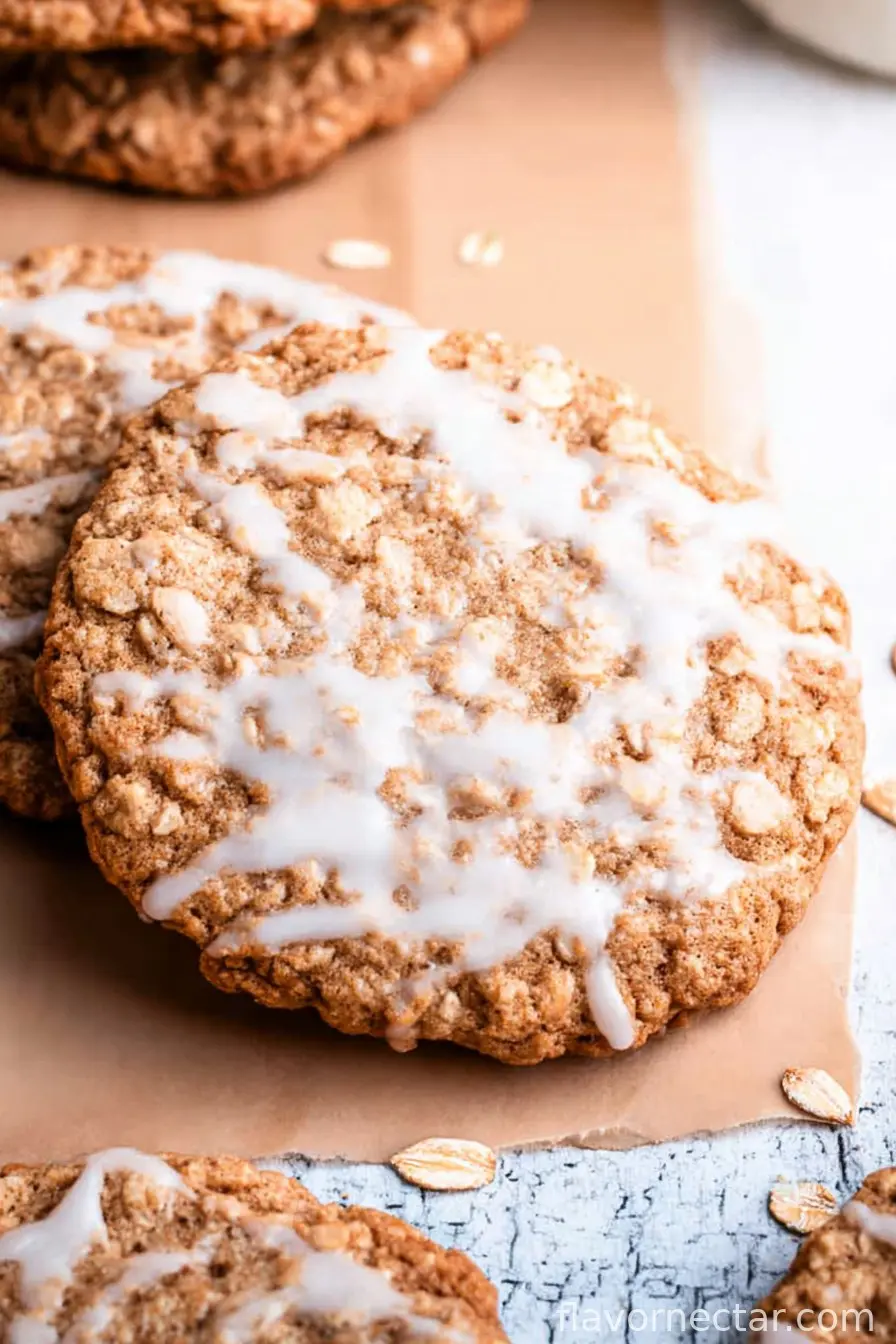
- Once the cookies are cooled off (I mean really cooled—be patient!), flip them upside down and dip the tops right into the icing. Pull straight up and let the excess drip back in the bowl. Place back on the wire rack. Let that glaze set for 15-30 minutes (pro tip: don’t stack them until they’re totally dry or you’ll have a sticky tower situation).
Notes From Multiple Messes
- The dough looks pretty thick after chilling—don’t worry, that’s exactly right.
- If you use salted butter, just cut back a tad on the salt.
- The cookies freeze surprisingly well (no icing) and then you can just thaw, slap the icing on, and serve.
Variations I’ve Tried (For Better or Worse)
- Sometimes I add a handful of raisins because my aunt likes them. People get weirdly opinionated about raisins.
- Tried chocolate chips once—eh, not my favorite, but maybe you’ll like it?
- Swapped brown sugar for dark brown—gets a richer flavor if that’s your thing.
Equipment (But If You Don’t Have These, Improvise!)
- Mixer: Hand or stand, or good old elbow grease with a sturdy spoon.
- Cookie scoop: Makes life easier, but a regular spoon totally works.
- Wire rack: Nice, but I’ve also cooled cookies on a brown paper bag before. (Just don’t tell my mother!)
How I Store (Or Try To)
- Pop them in an airtight tin or container—if they last that long! Honestly, in my house these are gone within a day, but if you have more patience, they’ll stay fresh for up to 4 days.
- Once iced, don’t stack them until the icing’s dry or they’ll glue themselves together.
How We Serve These at My Place
- Coffee and an iced oatmeal cookie is my idea of breakfast (don’t judge).
- Also: ice cream sandwich option. Just sayin’.
Pro Tips, a.k.a. Things I Messed Up the First Time
- Don’t rush the chill time—seriously, I tried skipping and ended up with sad, flat cookies.
- Let ‘em cool before icing or the glaze just runs off like a rainstorm. (Been there, wiped that.)
FAQ—Things Folks Actually Ask Me
- Do I have to chill the dough? Yep, or you’ll get pancake cookies. Unless that’s your thing?
- Can I skip the icing? Of course, but then it’s just a regular oatmeal cookie. Still good, though!
- Which oats are best? Old-fashioned rolled, hands down. Quick oats might make them less chewy, but I’ve never actually tried, so who knows?
- Do they freeze? For sure! Freeze sans icing, then frost after thawing.
- My cookies turned out tough. Why? Ah, probably overmixed. Once you add the flour, less is more.
- Why are mine sticking to the tray? Might be the lack of parchment. I’ve been there—it’s annoying! Greasing works in a pinch, but parchment really is best.
And, just as a completely unrelated aside (because I can never help myself), these cookies taste even better when there’s a thunderstorm outside. Maybe it’s just me. Enjoy!
Ingredients
- Cookies
- 2 cups old-fashioned rolled oats
- 2 cups all-purpose flour
- 1 teaspoon baking soda
- 1 teaspoon Kosher salt
- 1 ½ teaspoons cinnamon
- 1 cup unsalted butter softened to room temperature
- 1 cup light brown sugar packed
- ½ cup granulated sugar
- 2 large eggs room temperature
- 2 teaspoons vanilla extract
- Icing
- 2 cups confectioner’s sugar sifted
- ½ teaspoon vanilla extract
- 2-2 ½ Tablespoons milk
Instructions
-
1Start by grabbing a medium bowl and mix together your oats, flour, baking soda, salt, and cinnamon. I usually spill at least a little oat dust on the counter, so just embrace the mess early on. Set that aside—it’s your dry stuff pile.
-
2In a bigger bowl (or the bowl of a stand mixer if you want to feel fancy), beat the softened butter with the brown and white sugars. Medium speed is good. And here’s where I sometimes sneak a quick taste (totally safe at this point). Go for about 1-2 minutes, till it all looks kind of light and fluffy, but don’t fuss if it’s not cloud-like—creaming is weirdly forgiving.
-
3Add your eggs and vanilla in next, and crank it up to high speed. Whip it until the mixture’s smooth-ish and a bit paler, usually about another minute. If your eggs were straight from the fridge, it might look a bit lumpy. It’ll all smooth out—promise.
-
4Now tip in those dry ingredients from earlier. I go slow on the mixer because nobody wants a flour puff all over their face. Mix until it just comes together. Seriously, once you don’t see flour streaks, stop. Overmixing here can make the cookies tough (learned this the hard way).
-
5Stick that dough in the fridge for about 45 minutes to chill. (I know—it feels long, but it really does make the cookies bake up thicker and less flat. I used to skip this; big mistake, unless you want oatmeal lace pancakes.)
-
6About 10 minutes before the dough’s ready, preheat your oven to 350°F (or about 175°C if you’re on my side of the pond). Plop a sheet of parchment on a baking tray. Or grease it with butter if you’re out of parchment, but I’d avoid foil (my cookies stuck once and I had to scrape them off in sad chunks).
-
7Use a spoon or a small ice cream scoop to roll out dough—roughly 1 ½ Tablespoons each. I don’t measure anymore; I just eyeball, but feel free to be more precise! Leave at least 2-3 inches between cookies because, trust me, they need space to spread their wings.
-
8Bake for 10 to 12 minutes, just until the edges are golden brown and the middles look barely set. (They’ll seem soft, but they firm up a bit as they cool. Don’t go overboard or you lose that chewy center!)
-
9When they come out of the oven, let them hang out on the tray for about 8-10 minutes. Seriously, don’t move them too soon or they’ll totally fall apart (I learned this after losing half my first batch to the cooling rack abyss). Once they’re firmed up, transfer to a wire rack to cool down properly.
-
10Meanwhile, it’s icing time. Dump your confectioner’s sugar into a shallow bowl (bonus points for sifting, but honestly, I usually skip it). Mix in the vanilla and add the milk slowly—about a tablespoon at a time—till you hit that thick, but still dippable, consistency. (If it gets too runny, add a spoonful more sugar. If it’s like cement, a splash more milk.)
-
11Once the cookies are cooled off (I mean really cooled—be patient!), flip them upside down and dip the tops right into the icing. Pull straight up and let the excess drip back in the bowl. Place back on the wire rack. Let that glaze set for 15-30 minutes (pro tip: don’t stack them until they’re totally dry or you’ll have a sticky tower situation).
CLICK FOR NUTRITION INFO
↑
Approximate Information for One Serving
Serving Size:
1 serving
Calories:
170 caloriescal
Protein:
2gg
Fat:
7gg
Saturated Fat:
0g
Trans Fat:
0g
Cholesterol:
0mg
Sodium:
0mg
Potassium:
0mg
Total Carbs:
25gg
Fiber:
0g
Sugar:
0g
Net Carbs:
0g
Vitamin A:
0
Vitamin C:
0mg
Calcium:
0mg
Iron:
0mg
Nutrition Disclaimers
Number of total servings shown is approximate. Actual number of servings will depend on your preferred portion sizes.
Nutritional values shown are general guidelines and reflect information for 1 serving using the ingredients listed, not including any optional ingredients. Actual macros may vary slightly depending on specific brands and types of ingredients used.
To determine the weight of one serving, prepare the recipe as instructed. Weigh the finished recipe, then divide the weight of the finished recipe (not including the weight of the container the food is in) by the desired number of servings. Result will be the weight of one serving.
Did you make this recipe?
Please consider Pinning it!