
If you grew up in a big, noisy family like mine, you know there’s always that one soup everyone fights for at the table—Fasolatha, the iconic white bean and tomato number that’s practically the backbone of Greek comfort food. My mom would set a pot of this bubbling goodness on the stove, the kitchen full of steamy bean-scented air, and we’d all hover with our bowls, pretending not to notice just how many times we snuck a taste before dinner. (Seriously, I could probably live off the stuff for a month and still want more… except maybe after that week-long cold when I ate nothing else, ha!)
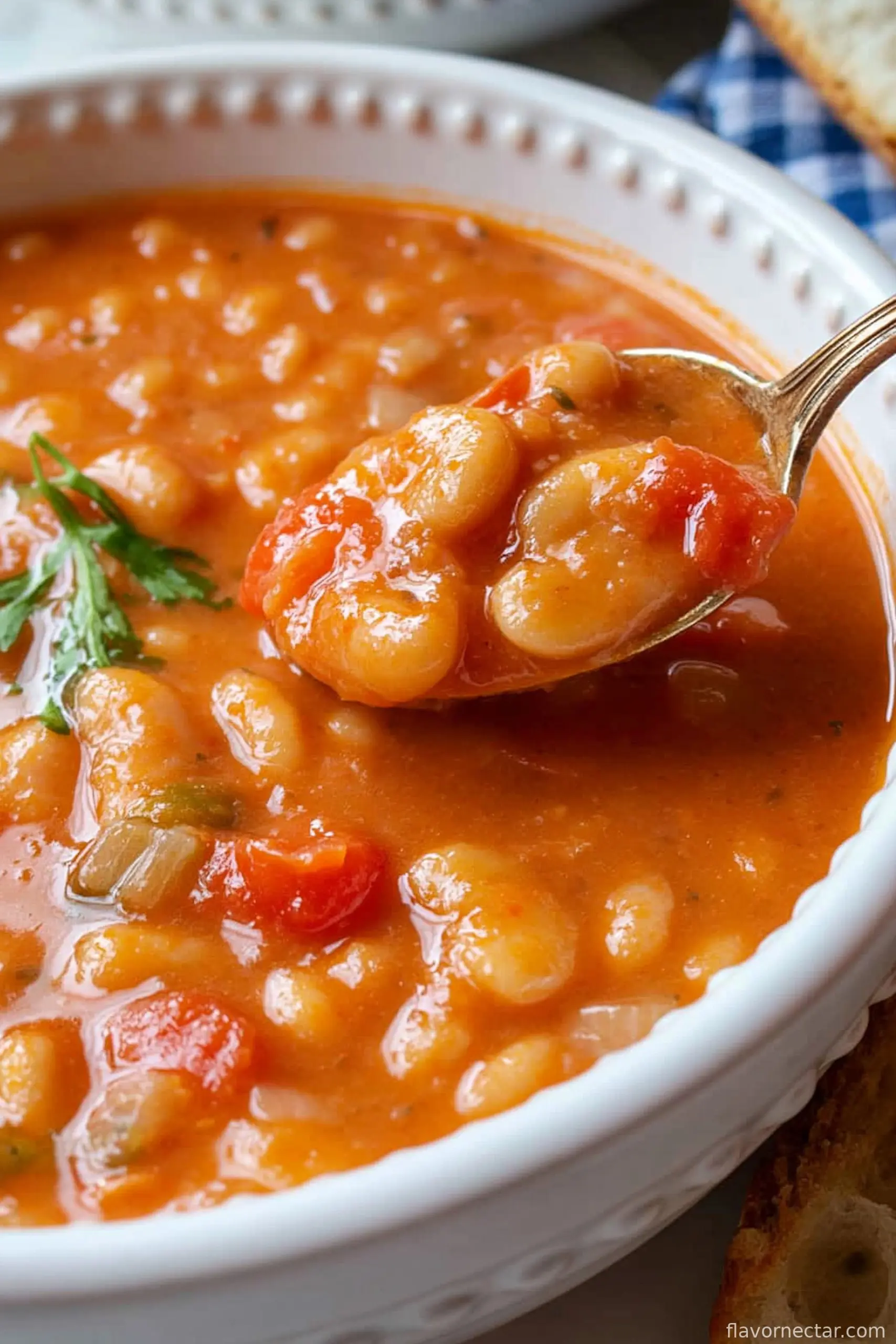
Why I Never Get Tired of Making Fasolatha (And You Might Not Either)
I whip this up when the weather turns drizzly, or when the veggie drawer’s threatening to revolt. My family goes bananas for it—especially after a long walk in the rain, or, let’s be real, a lazy Sunday binge-watching British mystery shows. Oh, and you know those days when you want something healthy but also just want a bowl big enough to lose a spoon in? Fasolatha hits the spot. Honestly, the only real annoyance is remembering to soak those beans (I’ve forgotten more than I care to admit).
Here’s What You’ll Need (and a Few Variations I Quite Like)
- 500 grams (about 17.6 oz) dried Cannellini beans (or really any small white bean—Navy beans work in a pinch, though grandma would have glared at me for that swap)
- 2 ½ liters (around 10 cups) boiling water (I sometimes sneak in half veggie stock for an extra hug-in-a-bowl vibe)
- 160 grams (1 large) onion, finely chopped (red or yellow, your call—honestly, I just grab what’s looking least dodgy)
- 1 bay leaf (the humble unsung hero—don’t skip it… unless, of course, you have none!)
- 2 carrots, sliced about ½ cm thick (I leave the skin on, but that’s partly laziness and partly because it’s tastier, I think)
- 150 grams (about 1 ½ cups) chopped celery (toss some leaves in too—don’t let ‘em go to waste)
- 150 grams extra ripe tomato, hand grated—skin discarded (if you can’t find super ripe tomatoes, a good canned tomato does fine, but shh, don’t tell the purists)
- 1 tablespoon tomato paste
- 160 ml (⅔ cup) extra virgin olive oil (sometimes I add a glug at serving time, too—it’s soul-warming stuff)
- Freshly ground pepper
- OPTIONAL: a pinch of hot red pepper flakes, or a tiny chili pepper if you’re feeling fiery (I’ve overdone this more than once, beware!)
How I Make Fasolatha—Messy Apron, Big Flavor
-
Give the Beans a Soak:
First, dump the dried beans into a big bowl and cover with loads of cold water—honestly, more than you think you need, they’re thirsty. I leave them for about an hour just out on the counter. Sometimes I forget and it turns into a two-hour soak and, guess what, no harm done. -
Wake the Beans Up:
Drain away their soaking water. Then, half-fill your biggest pot with water, add the beans, and crank up the heat until it boils. Let them dance around in there for about 2–3 minutes. Pour them into a strainer next, but don’t rinse them with cold water. I once did, and the beans lost their skins—looked like tiny ghosts! Not pretty. -
Beans Go Back In:
Beans head back to your pot. Pour in all 10 cups of boiling water (or half water, half veggie stock). Sprinkle in the bay leaf and the chopped onion, and add a generous pinch of salt. Bring the whole thing back to a boil, then quickly drop the heat down low, pop on a lid, and let it parade along at a lazy simmer for about an hour. Feel free to check in and give a gentle stir if you’re fidgety like me. -
Time for Tomatoes, Veggies, and Good Oil:
Scoop in the tomato paste, then swirl in the grated tomato, celery, and the carrot slices. Pour in that lovely golden olive oil now—don’t be shy! If you like a kick, now’s the time to tuck in your chili pepper too. Add a little cracked pepper, clamp the lid back on, and simmer for another 30 minutes. Every so often, I wander over and give it a stir (and a taste, for research—of course). -
Final Simmer & Stir:
Raise the heat just a little—medium if you’re on an electric stove, somewhere between medium and high if gas—and let it go covered until things start thickening up. This usually takes 15–20 minutes, though sometimes it’s stubborn, so don’t panic. Stir often near the end—you want that creamy, slightly thick soup, not a burnt pot (trust me, the smell lingers for days). -
Let It Settle Before You Dive In:
Turn off the heat, leave the pot half-covered, and give your soup about 15 minutes to mellow. This is the hardest part because it smells amazing. The soup thickens even more and the flavors kind of weave together. This is usually where family starts loitering in the kitchen, spoons at the ready. -
To Serve (The Best Bit!):
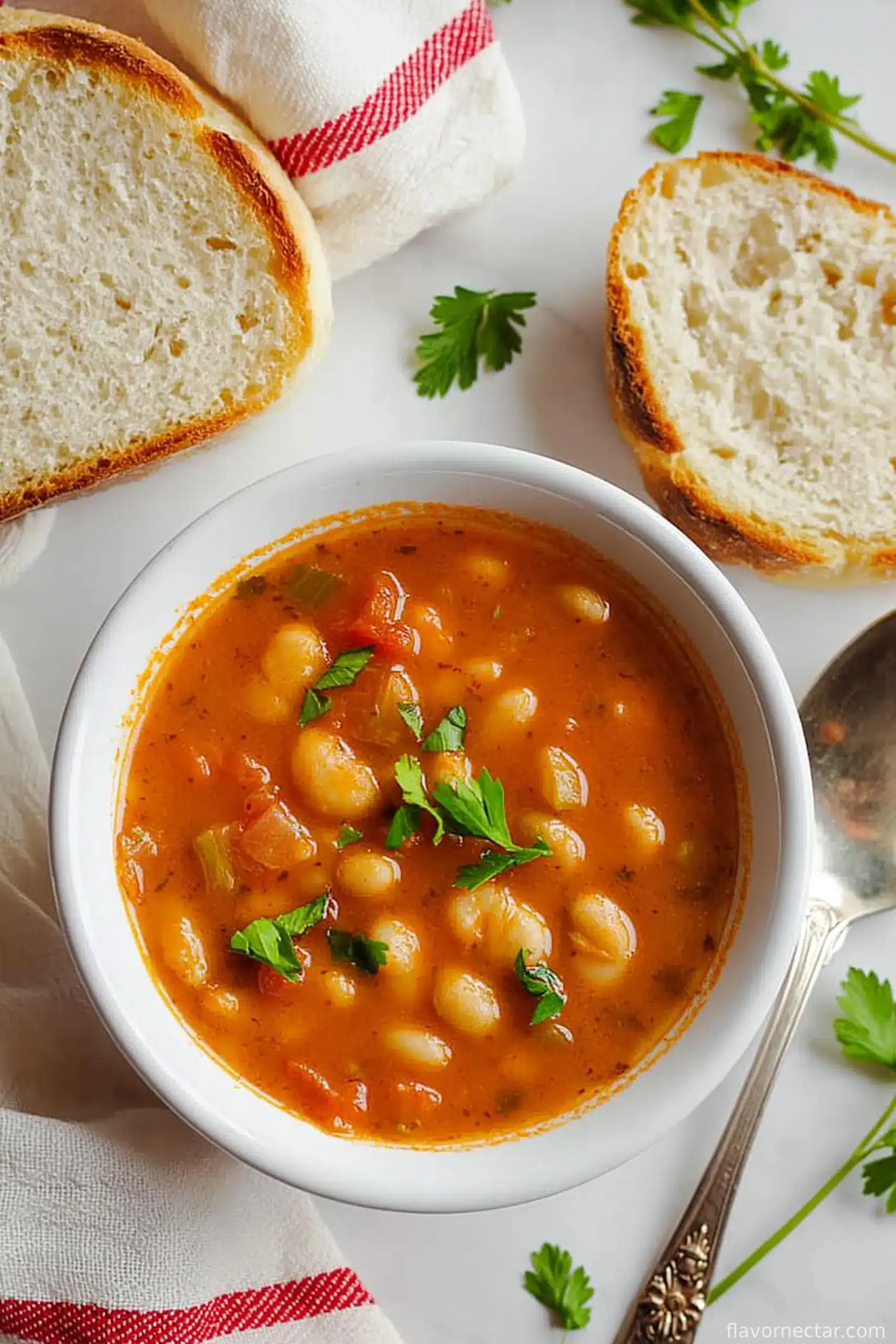
Ladle into bowls, drizzle with a tiny slick of extra olive oil, a big grinding of fresh pepper, and, if you’re brave, a sprinkle of red pepper flakes. Grab a hunk of crusty bread—no rules against dunking here.
Notes from My Kitchen (Take It or Leave It)
- If the soup seems thin, don’t fret—it thickens like magic as it cools a bit. Worst case? Just mash a few beans at the end, totally works.
- Forgot to soak the beans? Quick soak: pour boiling water over them, cover, and let stand an hour. Not quite the same, but gets you out of a bind.
- I always mean to fish out the bay leaf before serving but occasionally forget. No one’s died (yet).
Variations I’ve Tried (for Better or Worse…)
- Add a splash of lemon just before serving for a bright pop (my uncle swears by this—try it!)
- If you’re feeling lavish, a final handful of fresh parsley gives color and lift
- Once tried adding potatoes, but honestly, made it weirdly starchy. Wouldn’t recommend unless you’re particularly potato-crazed.
Tools You’ll Need (But Work With What You’ve Got)
- Big soup pot (if you only have a Dutch oven, works fine too—just watch the heat)
- Sharp knife for all that chopping (don’t be a hero if yours is a bit blunt, but it does make things easier)
- Grater for the tomato—if you don’t have one, just chop finely. Or, cheat with canned crushed tomatoes when you’re in a rush.
How to Keep It (But Honestly, It Never Lasts)
Pop cooled leftovers into a lidded container and fridge—they’ll keep for up to three days. In my house, though, I can barely snag enough for lunch the next day (I’m watching you, Alex). Will freeze fine too, but sometimes the beans go a little soft. Still tasty though.
Serving This the Way I Like It
I like it best with a chunk of rustic bread dragged through the bowl (don’t trust anyone who says you shouldn’t dip). Sometimes I’ll put out feta on the side—my cousin claims it’s the only way to eat it, but what does he know?
Lessons Learned (So You Don’t Have to Make My Mistakes)
- Don’t try to rush the simmering—beans will rebel and end up tough. I once made this in a hurry… never again. Patience, always.
- Taste for salt late in the process—the flavors show up more after a little time passes.
- If you forget the olive oil till the end, just stir it in right before serving. Works, but tastes richer if you add it earlier as you go.
FAQs (These Come Up a Lot at My Table)
- Can I use canned beans? You can, but they lose that slow-cooked magic. If you must, just skip straight to the veggie/tomato stage, but you’ll miss that depth.
- Can I make this in a slow cooker? Yep! Just dump everything in—except the olive oil, which saves for the last hour. (The texture’s a bit different, but still hearty.)
- Is it vegan? Sure is, unless you’re like my aunt and sneak in sausage—then it’s, well… something else entirely.
- Help, my soup’s too thick! Stir in a cup or two of hot water and heat gently, then taste for salt. Easy fix.
- What if I forget the bay leaf? Eh, not the end of the world. More pepper will pick up the slack.
And there it is: Fasolatha, my go-to for feeding a crowd or just myself (with leftovers, if I’m lucky). Enjoy, and let me know if your kitchen ends up covered in olive oil splatters too!
Ingredients
- 500 grams /17.6 dried Cannellini beans (or other small white beans)
- 2 ½ liters (10 cups) boiling hot water (or half water and half vegetable stock)
- 160 grams (1 large) onion finely chopped
- 1 bay leaf
- 2 carrots sliced ½ cm (¼ inch thick)
- 150 grams (1 + ½ cups) chopped celery (include some of the leaves as well)
- 150 grams (medium-large) extra ripe tomato hand grated, skin discarded
- 1 tablespoon tomato paste
- 160 ml (⅔ cup) extra virgin olive oil + a bit extra to serve with
- freshly ground pepper
- OPTIONAL: hot red pepper flakes or 1 small chili pepper
Instructions
-
1Give the Beans a Soak: First, dump the dried beans into a big bowl and cover with loads of cold water—honestly, more than you think you need, they’re thirsty. I leave them for about an hour just out on the counter. Sometimes I forget and it turns into a two-hour soak and, guess what, no harm done.
-
2Wake the Beans Up: Drain away their soaking water. Then, half-fill your biggest pot with water, add the beans, and crank up the heat until it boils. Let them dance around in there for about 2–3 minutes. Pour them into a strainer next, but don’t rinse them with cold water. I once did, and the beans lost their skins—looked like tiny ghosts! Not pretty.
-
3Beans Go Back In: Beans head back to your pot. Pour in all 10 cups of boiling water (or half water, half veggie stock). Sprinkle in the bay leaf and the chopped onion, and add a generous pinch of salt. Bring the whole thing back to a boil, then quickly drop the heat down low, pop on a lid, and let it parade along at a lazy simmer for about an hour. Feel free to check in and give a gentle stir if you’re fidgety like me.
-
4Time for Tomatoes, Veggies, and Good Oil: Scoop in the tomato paste, then swirl in the grated tomato, celery, and the carrot slices. Pour in that lovely golden olive oil now—don’t be shy! If you like a kick, now’s the time to tuck in your chili pepper too. Add a little cracked pepper, clamp the lid back on, and simmer for another 30 minutes. Every so often, I wander over and give it a stir (and a taste, for research—of course).
-
5Final Simmer & Stir: Raise the heat just a little—medium if you’re on an electric stove, somewhere between medium and high if gas—and let it go covered until things start thickening up. This usually takes 15–20 minutes, though sometimes it’s stubborn, so don’t panic. Stir often near the end—you want that creamy, slightly thick soup, not a burnt pot (trust me, the smell lingers for days).
-
6Let It Settle Before You Dive In: Turn off the heat, leave the pot half-covered, and give your soup about 15 minutes to mellow. This is the hardest part because it smells amazing. The soup thickens even more and the flavors kind of weave together. This is usually where family starts loitering in the kitchen, spoons at the ready.
-
7To Serve (The Best Bit!): Ladle into bowls, drizzle with a tiny slick of extra olive oil, a big grinding of fresh pepper, and, if you’re brave, a sprinkle of red pepper flakes. Grab a hunk of crusty bread—no rules against dunking here.
CLICK FOR NUTRITION INFO
↑
Approximate Information for One Serving
Serving Size:
1 serving
Calories:
390cal
Protein:
13 gg
Fat:
15 gg
Saturated Fat:
0g
Trans Fat:
0g
Cholesterol:
0mg
Sodium:
0mg
Potassium:
0mg
Total Carbs:
47 gg
Fiber:
0g
Sugar:
0g
Net Carbs:
0g
Vitamin A:
0
Vitamin C:
0mg
Calcium:
0mg
Iron:
0mg
Nutrition Disclaimers
Number of total servings shown is approximate. Actual number of servings will depend on your preferred portion sizes.
Nutritional values shown are general guidelines and reflect information for 1 serving using the ingredients listed, not including any optional ingredients. Actual macros may vary slightly depending on specific brands and types of ingredients used.
To determine the weight of one serving, prepare the recipe as instructed. Weigh the finished recipe, then divide the weight of the finished recipe (not including the weight of the container the food is in) by the desired number of servings. Result will be the weight of one serving.
Did you make this recipe?
Please consider Pinning it!