
That Time I Made Chicken au Poivre…And Actually Nailed It
You know how some recipes just sound like they’re meant for someone in a chef’s hat with an accent (preferably French)? That’s how I felt about Chicken au Poivre for years—until I tried it on a random Tuesday after a rough workday. I was tired, honestly a little cranky, and already regretting my ambitious dinner plan. But—miracle—it turned out delicious, with just the right zing from the pepper and a sauce that made me actually consider licking the pan (don’t judge). Now, whenever I want to impress my family or coax them to eat something that isn’t tacos, this is my go-to.

Why I Keep Coming Back to This…
I make this when I want something that tastes fancy but really isn’t much fuss. My family goes crazy for the sauce—it’s creamy, peppery, kinda addictive. Even my picky kid who claims he “doesn’t like chicken anymore” (yeah, sure) devoured it last time. Plus, it’s fast enough for weeknights and doesn’t make a huge mess. And if you’re like me—prone to accidentally overcooking chicken—this method is pretty forgiving thanks to the lovely sauce.
What You’ll Need (and What I Sometimes Swap)
- 2 large boneless, skinless chicken breasts (I’ve cut them in half horizontally to make cutlets—it cooks faster, but if you have thinner supermarket fillets, those are fine too)
- 2 teaspoons freshly cracked black pepper (I use a mortar and pestle, but already-ground will do—just add a bit extra for a kick)
- 1 teaspoon kosher salt, or more to taste (fine sea salt works too, but my gran would argue otherwise)
- 3 tablespoons all-purpose flour (some folks use cornstarch; I did once and it was…“fine”)
- 2 tablespoons unsalted butter (salted is okay, just skip a bit of salt elsewhere—I’m not watching like a hawk)
- 2 tablespoons olive oil (sometimes I mix in a glug of sunflower oil if I’m running low)
- 1/3 cup brandy or cognac (I swear by a splash of white wine in a pinch; one time, I tried bourbon…not my brightest moment)
- 1/2 cup chicken broth (store-bought is honestly fine—don’t lose sleep)
- 1/3 cup heavy cream (half-and-half works if it’s what you’ve got, but you might need a bit less broth to keep it thick)
- Chopped parsley, for garnish (I forget this half the time and nobody notices, but it looks nice if you’re trying to impress)
How I Throw It All Together
- Start by patting the chicken breasts dry with paper towels—don’t skip this, the sear is better. If they’re thick, cut them horizontally to make thinner pieces. Sprinkle both sides with salt and really coat them with the cracked pepper. Don’t be shy! Press it in a bit (your fingers will look speckled and fancy).
- Dump the flour onto a plate and dredge the chicken on both sides. I shake off the excess over the sink—less mess later.
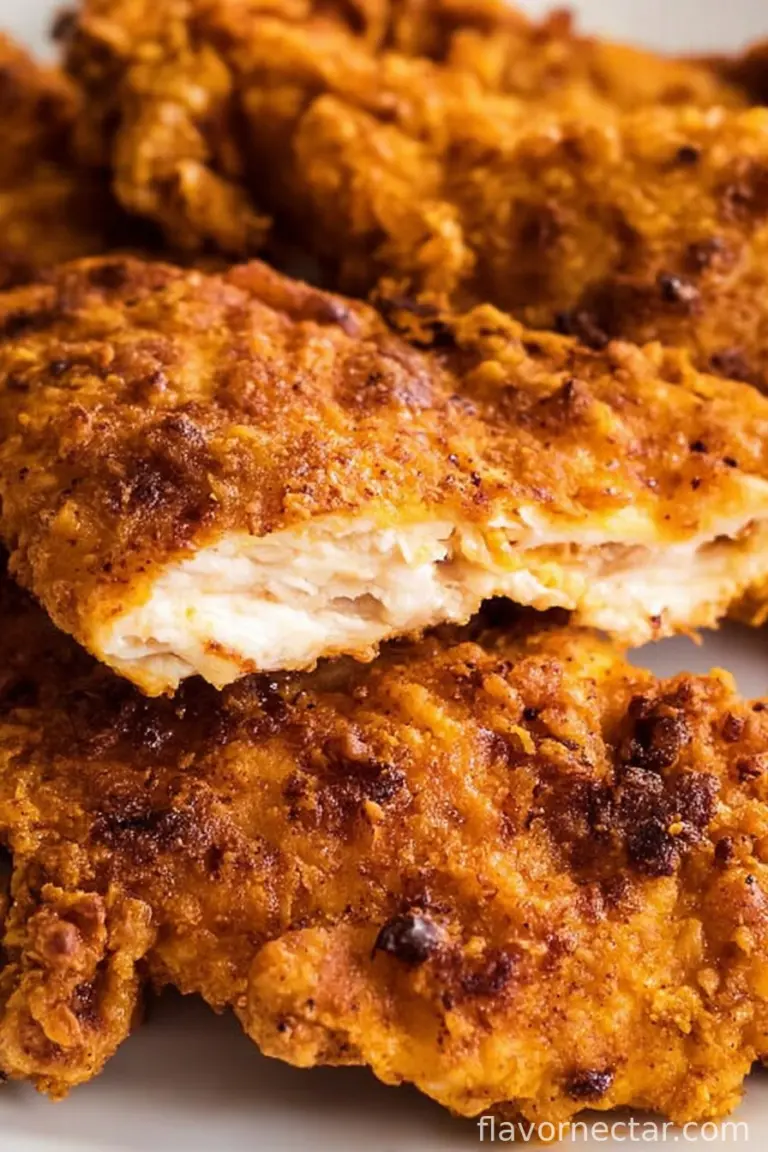
- Heat up the butter and oil in a big skillet over medium-high. Once it’s hot and shimmery, add the chicken. It might spit at you—just step back. Cook about 3 minutes per side, maybe 4 if your pieces are thicker. What you want is golden, not burnt. I usually peek underneath at 2 minutes because I never trust my stove. When done, pop them on a plate and loosely cover with foil (if you can find it—the last time, mine ran out and a big bowl worked fine upside-down).
- With the same pan (don’t even rinse it), carefully pour in the brandy or cognac. This part can be dramatic if you want—tilt the pan to flame it, or just let it simmer and bubble the alcohol off. Scrap the brown bits from the bottom with a spoon (that’s the good stuff).
- Pour in the chicken broth and let it simmer for about 2 minutes to reduce a tad. Stir often; this is where I usually sneak a taste and adjust the salt (don’t burn your tongue—voice of experience).
- Reduce heat to medium-low and add the heavy cream. Let it bubble gently until the sauce gets thick enough to coat a spoon, about 3-4 minutes. Don’t walk away, or it might stick—it’s happened to me before.
- Return the chicken and any juices from the plate into the pan, nestling them in. Simmer another minute to heat through and coat them in sauce. Sprinkle with parsley if you’re feeling fancy (or if you actually remembered it).
- Serve asap! I tend to pile everything onto a wide plate and let people spoon over extra sauce—but I admit, I’ve eaten it straight from the pan more than once.

Little Notes (Stuff I Wish I’d Known Sooner)
- If you use already-ground pepper, add a smidge more or it can taste flat. Fresh cracked has real pep.
- Don’t let the butter brown before adding the chicken, or the sauce ends up a bit too nutty for my taste. Actually, just heat the oil/butter until it’s melted and ready—then in goes the chicken.
- I tried using half-and-half instead of cream once; it tasted okay, but the sauce was thinner—not bad, but not as luscious as cream.
- If the sauce looks split, a quick whisk usually fixes it—unless you fried everything too mad-hot, in which case, oops.
Variation Experiments (Some Winners, Some…Not So Much)
- I’ve swapped turkey cutlets for chicken—tastes awesome, surprisingly. Pork chops, though, somehow turned out bland, so I wouldn’t really suggest those.
- One friend adds a spoonful of Dijon at the cream stage. I tried it—pretty good, if you like a little tang.
- Left the chicken whole instead of slicing into cutlets once, and it took forever to cook. Ended up with dry outside, so I’d recommend thinner pieces!

If You’re Missing a Tool…
No cast iron? I’ve made this in every pan in my cupboard—even the wobbly nonstick. Only thing: avoid anything too flimsy or the sauce burns. And if you don’t have a mortar and pestle, put the peppercorns in a zip-top bag and smash with a rolling pin (or wine bottle—works in a pinch!).
Keeping Leftovers (If That Ever Happens)
I say this will keep in the fridge, airtight, for about 2 days. But honestly—at my place? It rarely sees sunrise. If you do manage to stash some away, reheat gently with a splash of chicken broth to keep the sauce from going thick and gloppy. Freezer-wise, I’ve never tried (by the time that idea comes to me, it’s already gone).

What Goes With Chicken au Poivre (My Family Tradition…Sort-Of)
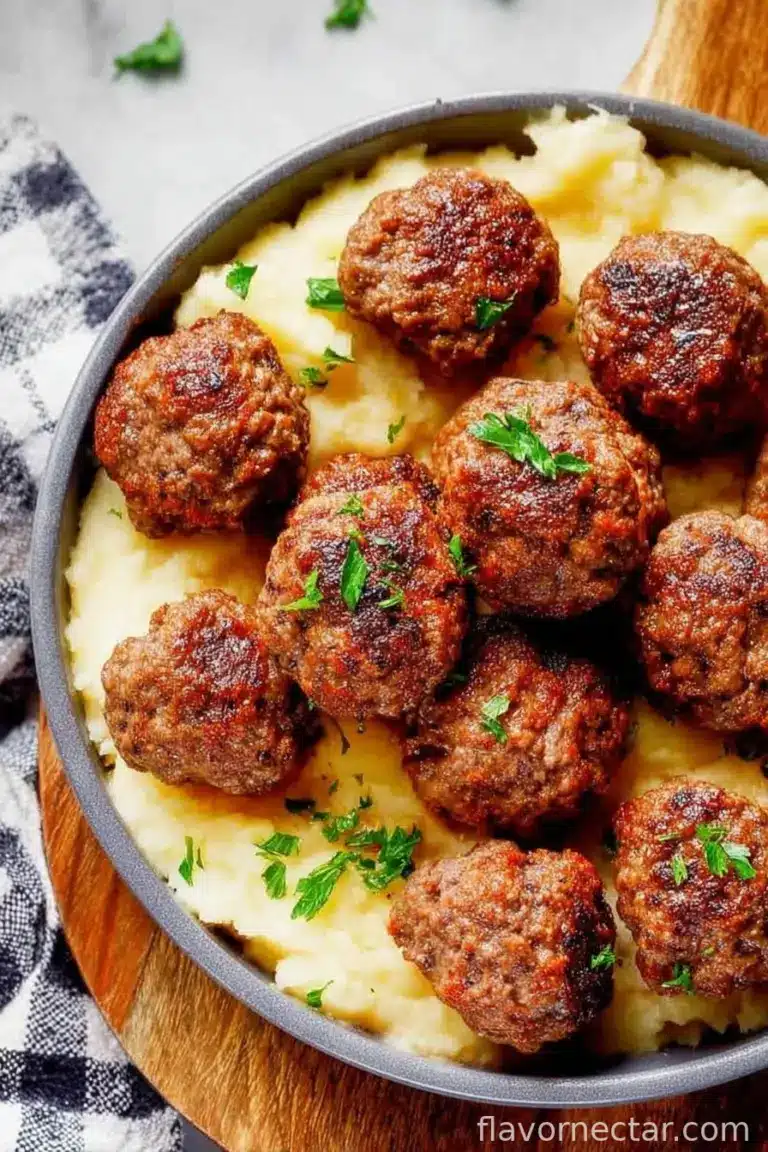
I love it over mashed potatoes—proper comfort food. My sister swears by crispy roasted spuds instead. Or, a little green salad on the side (if you’re feeling virtuous). Bread to mop up the sauce is a must at my house, otherwise my husband pouts.
Lessons Learned (AKA, How Not to Mess It Up)
- I once dumped all the brandy at once and forgot to reduce it—the sauce tasted like a boozy mistake. Take your time there.
- Don’t crowd the pan or you’ll get steamed chicken, not golden. If you’ve got little pans, do it in batches—even if it feels annoying (I’ve tried to squeeze it all in; trust me, don’t).
Real FAQs (Because Friends Really Ask Me These)
- Can I make this with thighs?
- Yep, boneless skinless work great. Just cook a tiny bit longer. Bone-in, not so much—sauce gets tricky.
- What if I don’t have brandy?
- White wine is a pretty good swap, actually, though it tastes lighter. No booze? Just double the broth. Not “authentic,” but still yum.
- Why so much pepper?
- That’s the point! But, if you’re nervous, halve it the first time. I started that way, too.
- Can I make it ahead?
- Well, it’s best straight away, but I think it tastes even better the next day (if it survives that long, ha!). The sauce does thicken, though, so loosen it with a bit of broth or cream when reheating.
- Is this dish gluten-free?
- Not the way I make it, but you could use a gluten-free flour blend or cornstarch. Texture changes a little but it’s fine—nobody minds.
Oh, and once, in the middle of making this, my cat leapt up and almost sent my pan flying off the stove. So: if you’ve got a mischievous pet, shut them out during sauce duty. Or risk a peppery feline disaster. Anyway, hope you’ll love this as much as we do!
Ingredients
- 2 large boneless, skinless chicken breasts
- 2 teaspoons freshly cracked black pepper
- 1 teaspoon kosher salt, or more to taste
- 3 tablespoons all-purpose flour
- 2 tablespoons unsalted butter
- 2 tablespoons olive oil
- 1/3 cup brandy or cognac
- 1/2 cup chicken broth
- 1/3 cup heavy cream
- Chopped parsley, for garnish
Instructions
-
1Start by patting the chicken breasts dry with paper towels—don’t skip this, the sear is better. If they’re thick, cut them horizontally to make thinner pieces. Sprinkle both sides with salt and really coat them with the cracked pepper. Don’t be shy! Press it in a bit (your fingers will look speckled and fancy).
-
2Dump the flour onto a plate and dredge the chicken on both sides. I shake off the excess over the sink—less mess later.
-
3Heat up the butter and oil in a big skillet over medium-high. Once it’s hot and shimmery, add the chicken. It might spit at you—just step back. Cook about 3 minutes per side, maybe 4 if your pieces are thicker. What you want is golden, not burnt. I usually peek underneath at 2 minutes because I never trust my stove. When done, pop them on a plate and loosely cover with foil (if you can find it—the last time, mine ran out and a big bowl worked fine upside-down).
-
4With the same pan (don’t even rinse it), carefully pour in the brandy or cognac. This part can be dramatic if you want—tilt the pan to flame it, or just let it simmer and bubble the alcohol off. Scrap the brown bits from the bottom with a spoon (that’s the good stuff).
-
5Pour in the chicken broth and let it simmer for about 2 minutes to reduce a tad. Stir often; this is where I usually sneak a taste and adjust the salt (don’t burn your tongue—voice of experience).
-
6Reduce heat to medium-low and add the heavy cream. Let it bubble gently until the sauce gets thick enough to coat a spoon, about 3-4 minutes. Don’t walk away, or it might stick—it’s happened to me before.
-
7Return the chicken and any juices from the plate into the pan, nestling them in. Simmer another minute to heat through and coat them in sauce. Sprinkle with parsley if you’re feeling fancy (or if you actually remembered it).
-
8Serve asap! I tend to pile everything onto a wide plate and let people spoon over extra sauce—but I admit, I’ve eaten it straight from the pan more than once.
CLICK FOR NUTRITION INFO
↑
Approximate Information for One Serving
Serving Size:
1 serving
Calories:
410 caloriescal
Protein:
34gg
Fat:
25gg
Saturated Fat:
0g
Trans Fat:
0g
Cholesterol:
0mg
Sodium:
0mg
Potassium:
0mg
Total Carbs:
8gg
Fiber:
0g
Sugar:
0g
Net Carbs:
0g
Vitamin A:
0
Vitamin C:
0mg
Calcium:
0mg
Iron:
0mg
Nutrition Disclaimers
Number of total servings shown is approximate. Actual number of servings will depend on your preferred portion sizes.
Nutritional values shown are general guidelines and reflect information for 1 serving using the ingredients listed, not including any optional ingredients. Actual macros may vary slightly depending on specific brands and types of ingredients used.
To determine the weight of one serving, prepare the recipe as instructed. Weigh the finished recipe, then divide the weight of the finished recipe (not including the weight of the container the food is in) by the desired number of servings. Result will be the weight of one serving.
Did you make this recipe?
Please consider Pinning it!