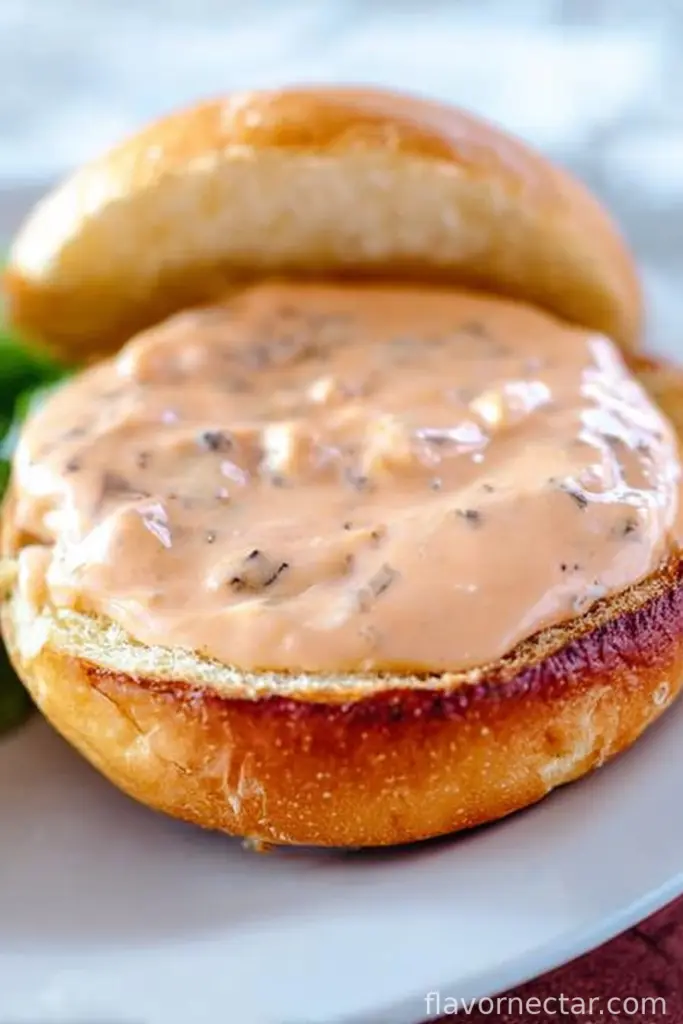
If you’ve ever found yourself elbow-deep in burger night chaos, sauce drip on your shirt, you know what I mean when I say: a burger lives or dies by its sauce. The first time I whipped up this classic burger sauce was mostly out of pure impatience, waiting in line for takeaway while the kids were slowly turning feral in the backseat. Only, the sauce I made at home ended up tasting… better? (shocking, I know). And it kind of became a staple. My friend Olivia always asks for a double batch when we grill. She drowns her chips in it, too. Like, somehow it’s basically magic and also just a bunch of fridge stuff.
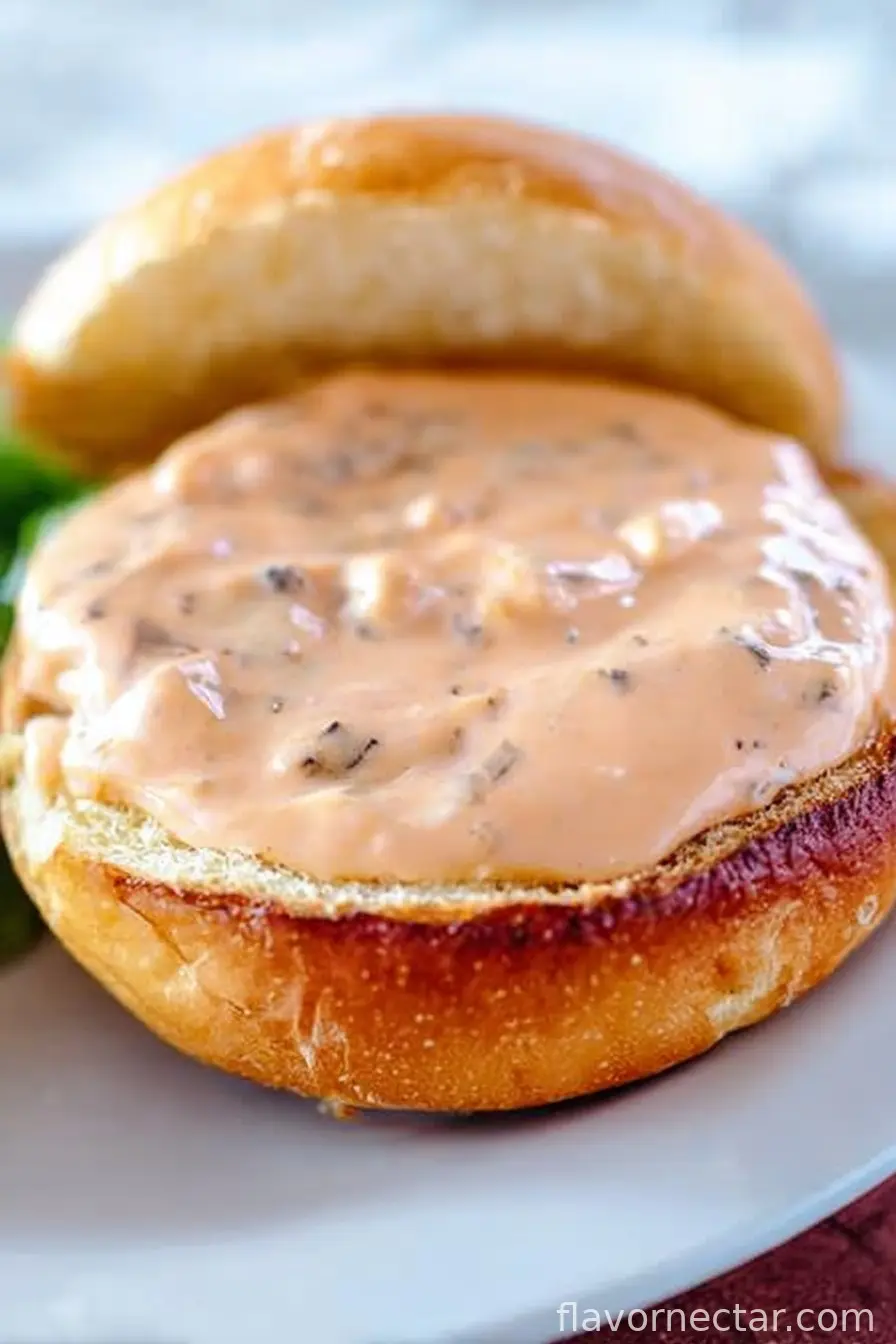
Why I Come Back to This Over and Over
I make this classic burger sauce when I want something that actually makes my (let’s face it, kind of average) burger taste restaurant-level. My family goes crazy for this because, well, it’s tangy but not too much, creamy but not cloying, and messy in a completely satisfactory way. Honestly, I’ve tried skipping the sauce and they just look at me like I’ve served them a sad sandwich. (Little do they know, once I swapped in plain yogurt for the mayo because I ran out and nobody noticed—total victory.)
What Goes In (But There’s Wiggle Room)
- 1/2 cup mayonnaise (Grandma Marge swears by Hellmann’s; honestly, whatever’s in the fridge works. Yogurt in a pinch!)
- 2 tablespoons ketchup (Sometimes I use that fancy sriracha ketchup for a bit of kick if I’m feeling rogue)
- 1 tablespoon yellow mustard (I’ve used Dijon, but the classic stuff gives major throwback vibes)
- 2 teaspoons sweet pickle relish (chopped dill pickles work too, or I’ve even used chopped gherkins when I couldn’t find anything else)
- 1 teaspoon white vinegar (apple cider vinegar totally works, and I bet red wine vinegar would be fine if you’re adventurous—or just out of options)
- 1/2 teaspoon garlic powder (I’ve chopped fresh garlic before but… lazy days, powder all the way)
- 1/2 teaspoon smoked paprika (regular paprika if that’s all you’ve got, or just skip it. Not a dealbreaker)
- Salt and pepper, to taste (rarely more than a big pinch, but I’ve gone overboard, too—just shake it in and taste as you go)
Let’s Get Mixing (No Fancy Moves Required)
- Grab a medium-ish bowl – nothing too big, but you want a bit of elbow room. Scoop in all the ingredients. You can measure or just eyeball it. Honestly, I usually dump the ketchup in straight from the bottle and hope for the best.
- Whisk it up! Or, if you’re out of clean whisks (my life, always), just use a fork. Scrape the sides, get everything together – this is where I’ll sneak a quick taste with my finger (I know, shameful, but who can resist?).
- Taste and adjust. If it needs more zing, throw in an extra splash of vinegar. Too thick for your liking? Add a teaspoon of pickle juice and see what happens. Don’t worry if it looks a bit weird at first; it always comes together with a good stir.
- Cover and chill for 20–30 minutes. Actually, sometimes I skip this if I’m impatient, but I think the flavors really do their handshake in the fridge.
Stuff I Learned (So You Don’t Have To)
- If you add too much vinegar, your sauce will taste like a chip shop accident. Go easy; you can always add more.
- Turns out, using relish instead of plain pickles really does make it taste more “classic”—who knew?
- I tried using Greek yogurt instead of mayo once, and it was almost as good, but still missed that rich, creamy thing. But for a lighter attempt, it’s totally passable.
I Tried It These Ways (One Flop Included)
- Added a squirt of sriracha – made it snappy and great with fried chicken sandwiches.
- Used BBQ sauce instead of ketchup. Not bad, but a little too smoky for my taste. Maybe next time less is more.
- Once I tried blending roasted garlic in. Big mistake. Overpowered everything – even my most garlic-loving friend was like “woah”.
If You’re Short on Tools
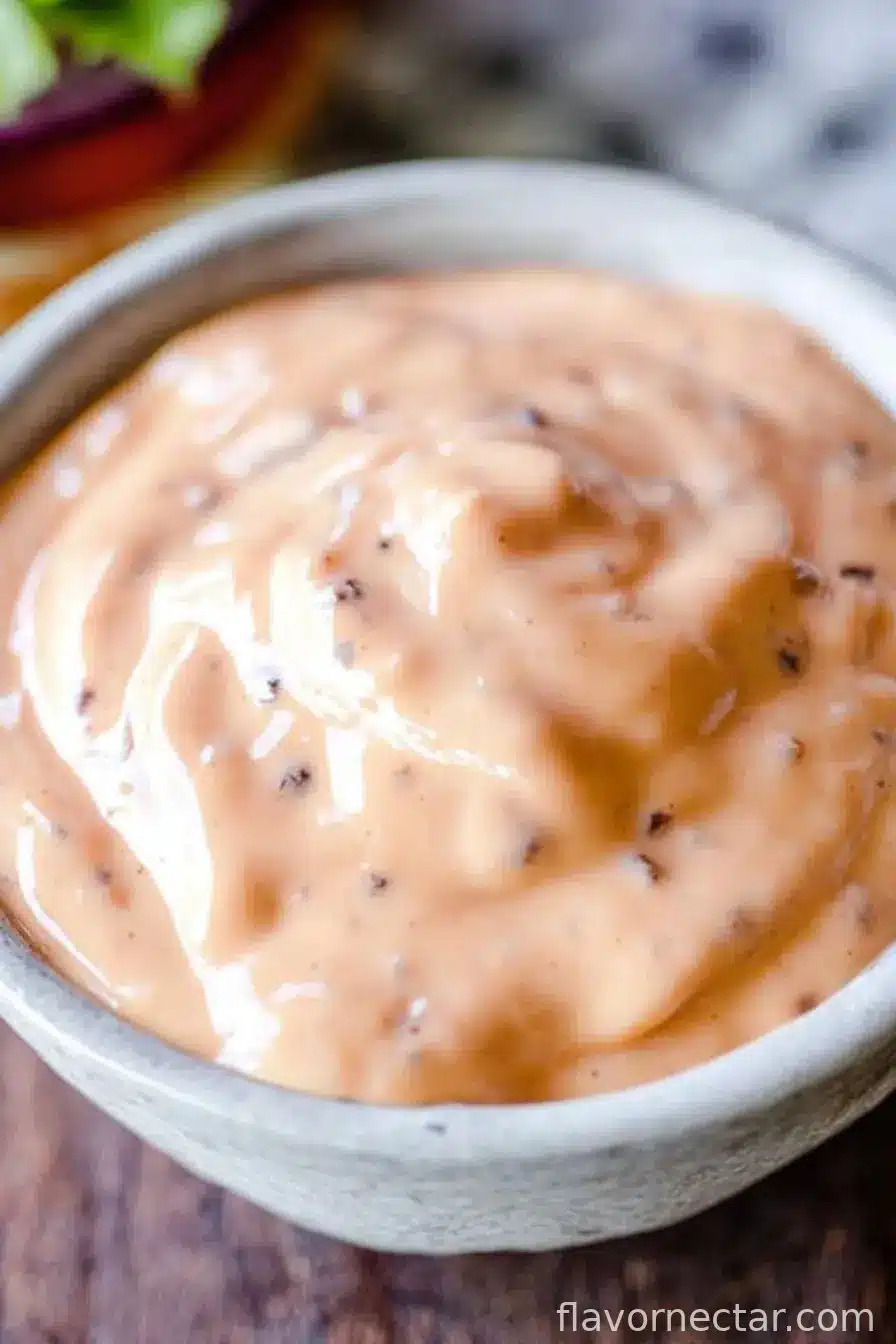
Truth be told, I usually use a little hand whisk, but if you don’t have one – fork does the trick. Or, actually, I’ve used a chopstick and some wild whisking moves in a mug and it still worked. Just stir well.
How Long Does It Last? (But Who’s Checking?)
Tightly covered, it’ll keep in the fridge for 3–4 days, though honestly, in my house it never lasts more than a day. I once found a forgotten jar at the back after a week—it was still fine, but trust your nose.
How I Serve It (And Sneaky Uses)
I pile this on top of cheeseburgers, obviously, but it’s the secret sauce for our Friday night fry feasts, too. My daughter even dips her raw veggies in it; I’m not sure that’s legal, but here we are. Sometimes (don’t tell anyone) I use it as a salad dressing by thinning it with a splash of water and more vinegar.
Lessons Learned the Hard Way
- I once rushed the chilling step and the flavors were still kind of stand-offish, not properly mingled… Not making that mistake again.
- Adding too much relish can make it too sweet—actually, I find a proper balance is the key to avoiding “ketchup soup” territory.
Burning Questions I Get All the Time
- Can I make this ahead? You bet! Sometimes it actually tastes better the next day (I always forget to make it ahead, though).
- Does it freeze well? Erm, nope. The texture goes odd; learned that the hard way.
- Is there anything I can swap for pickle relish? Yeah, chopped pickles or even cornichons – it’s all good. Just don’t skip something briny.
- Too tangy for me—how do I fix it? Add a bit more mayo and a smidge less vinegar next time. Or on second thought, just go slow with the vinegar from the start.
- My sauce split! What now? Just whisk it again, maybe with a little extra mayo – usually comes back together unless you’ve left it out for hours (don’t do that, by the way).
- Can I add chopped onion? Ooh, yes—I’ve tossed some finely minced onion in for texture, but it’s not “classic” anymore. Your call!
Well, if you make this classic burger sauce, let me know if you find any new twists that knock your socks off (or, just quietly enjoy it at midnight standing at the fridge, like me). Cheers!
Ingredients
- 1/2 cup mayonnaise (Grandma Marge swears by Hellmann’s; honestly, whatever’s in the fridge works. Yogurt in a pinch!)
- 2 tablespoons ketchup (Sometimes I use that fancy sriracha ketchup for a bit of kick if I’m feeling rogue)
- 1 tablespoon yellow mustard (I’ve used Dijon, but the classic stuff gives major throwback vibes)
- 2 teaspoons sweet pickle relish (chopped dill pickles work too, or I’ve even used chopped gherkins when I couldn’t find anything else)
- 1 teaspoon white vinegar (apple cider vinegar totally works, and I bet red wine vinegar would be fine if you’re adventurous—or just out of options)
- 1/2 teaspoon garlic powder (I’ve chopped fresh garlic before but… lazy days, powder all the way)
- 1/2 teaspoon smoked paprika (regular paprika if that’s all you’ve got, or just skip it. Not a dealbreaker)
- Salt and pepper, to taste (rarely more than a big pinch, but I’ve gone overboard, too—just shake it in and taste as you go)
Instructions
-
1Grab a medium-ish bowl – nothing too big, but you want a bit of elbow room. Scoop in all the ingredients. You can measure or just eyeball it. Honestly, I usually dump the ketchup in straight from the bottle and hope for the best.
-
2Whisk it up! Or, if you’re out of clean whisks (my life, always), just use a fork. Scrape the sides, get everything together – this is where I’ll sneak a quick taste with my finger (I know, shameful, but who can resist?).
-
3Taste and adjust. If it needs more zing, throw in an extra splash of vinegar. Too thick for your liking? Add a teaspoon of pickle juice and see what happens. Don’t worry if it looks a bit weird at first; it always comes together with a good stir.
-
4Cover and chill for 20–30 minutes. Actually, sometimes I skip this if I’m impatient, but I think the flavors really do their handshake in the fridge.
CLICK FOR NUTRITION INFO
↑
Approximate Information for One Serving
Serving Size:
1 serving
Calories:
86cal
Protein:
0.2 gg
Fat:
8.6 gg
Saturated Fat:
0g
Trans Fat:
0g
Cholesterol:
0mg
Sodium:
0mg
Potassium:
0mg
Total Carbs:
1.6 gg
Fiber:
0g
Sugar:
0g
Net Carbs:
0g
Vitamin A:
0
Vitamin C:
0mg
Calcium:
0mg
Iron:
0mg
Nutrition Disclaimers
Number of total servings shown is approximate. Actual number of servings will depend on your preferred portion sizes.
Nutritional values shown are general guidelines and reflect information for 1 serving using the ingredients listed, not including any optional ingredients. Actual macros may vary slightly depending on specific brands and types of ingredients used.
To determine the weight of one serving, prepare the recipe as instructed. Weigh the finished recipe, then divide the weight of the finished recipe (not including the weight of the container the food is in) by the desired number of servings. Result will be the weight of one serving.
Did you make this recipe?
Please consider Pinning it!