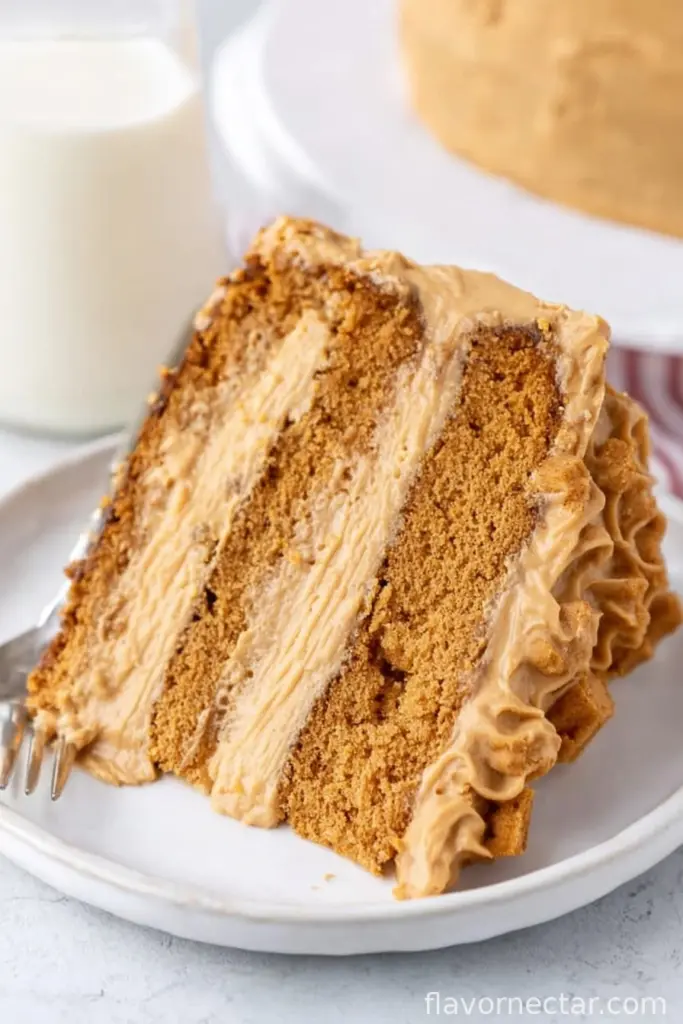
Biscoff Cake… Ah, this one always takes me straight back to the first time I attempted it. I’d just moved into my new flat (still half-unpacked, using a saucepan as a mixing bowl—don’t ask) and decided to “wow” my mates with something other than dry banana bread. Biscoff had just started popping up everywhere, and honestly, I didn’t quite get the hype at first. But now? Utter convert. This Cake is the one I bring to family gatherings and, frankly, sometimes just bake on a random Tuesday because, well, why not?
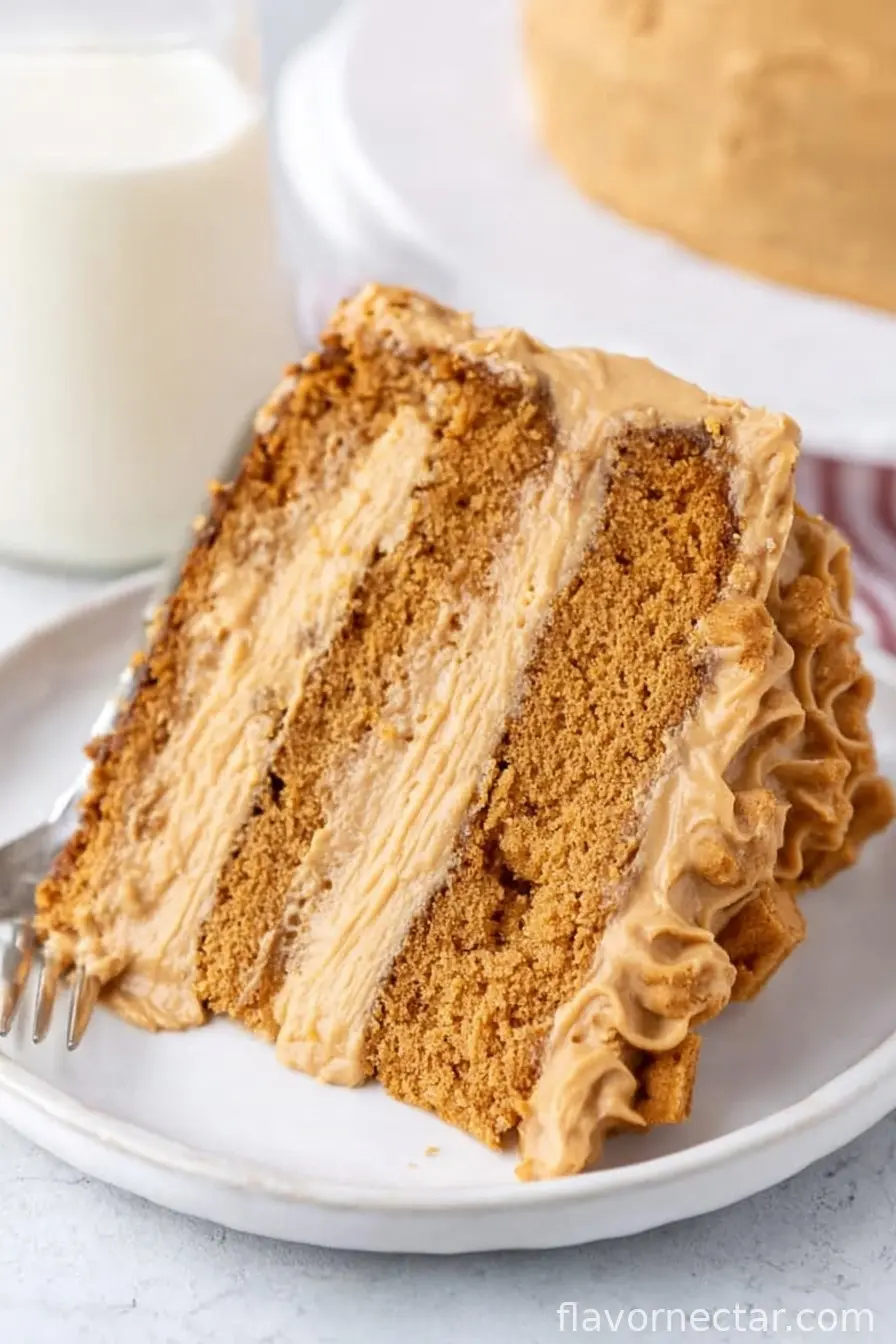
So, why should you try it?
I make this when my family is sick of chocolate (rare, but it actually happens). Or when I’ve got leftover Biscoff spread staring at me from the back of the cupboard, daring me to NOT just eat it with a spoon. My nephew asks for it every birthday. (He calls it “the cookie butter Cake,” which makes my heart melt every time.) Honestly, the best bit? The smell alone could probably sell a house if you left it baking during viewings. Only thing is, the first time I made it, I couldn’t stop eating the icing — my willpower walked right out the door. I figured you might be the same. Fine by me.
What You’ll Need (Ingredients List, With My Musings)
- 200g (about 1 and 2/3 cups) plain flour – Sometimes I use self-raising if that’s all I have, just skip the baking powder if you do.
- 1 tsp baking powder
- 1/2 tsp bicarbonate of soda (baking soda)
- 1/4 tsp fine salt – My grandma swore by Maldon, but table salt is grand.
- 125g unsalted butter, softened – In winter, I just nuke it for a few seconds. Actually, too long once and it melted everywhere, so… be gentle.
- 100g caster sugar (superfine if you’re in the US) – Demerara is tasty if you like a more caramel vibe.
- 75g light brown sugar – Or just all white sugar if that’s what you have. No cake police here.
- 3 large eggs – I’ve made it with duck eggs once (!) and it was tres rich, but nice.
- 100g Biscoff spread (smooth or crunchy) – Some days I use crunchy for texture.
- 120ml (1/2 cup) milk – Oat milk works if my fridge is otherwise barren.
- 1 tsp vanilla extract – The fake stuff is fine in a pinch. I wouldn’t tell Mary Berry though.
- For the frosting:
- 150g unsalted butter, softened
- 250g icing sugar (about 2 cups)
- 100g Biscoff spread – Splash out for brand-name, or don’t. Life’s short.
- A splash of milk if needed
- Optional: Biscoff cookies (biscuits) for crushing on top. Dangerously snacky.
How I Make It (With a Few Sidetracks)
- First things first, preheat your oven to 170°C (fan 150°C) or 340°F. (Honestly, my oven’s older than me and I still think it’s lying about the temp, so, if you don’t trust yours either, just go with what feels right—golden and springy is the goal.) Grease and line a round 8-inch cake tin, or just use a square one if you prefer, I’ve done both!
- Whisk flour, baking powder, bicarb, and salt in a bowl. You can sift them, but if I can’t find my sieve, I just sort of stir with a fork like mad. Works a charm.
- In a separate bowl, beat the butter and sugars together until fluffy—cream-coloured, light, and you suddenly want to eat it raw. (Important note: Don’t actually eat it all. Regret is real.)
- Beat in eggs, one at a time. It’s a little messy, don’t stress if it splits! Cake batter isn’t a beauty contest at this stage.
- Add Biscoff spread and vanilla, beat until well combined.
- Now, add half the flour mix, stir, then pour in the milk, then the rest of the flour. Go gently, but no need to baby it.
- Tip the whole lot into your tin, smooth-ish on top.
- Bake for about 35–40 minutes. I check at 30, stab it with a skewer (or a kebab stick when I can’t find anything clean). If it comes out cleaner than my conscience, it’s ready.
- Let it cool in the tin for 10 min, then tip out onto a rack. Don’t panic if it cracks—it’ll be covered in glorious frosting anyway.
- For the frosting, just beat everything together until whipped and fluffy. If it’s too thick, throw in a splash of milk. Too loose? More icing sugar! No science, just vibes.
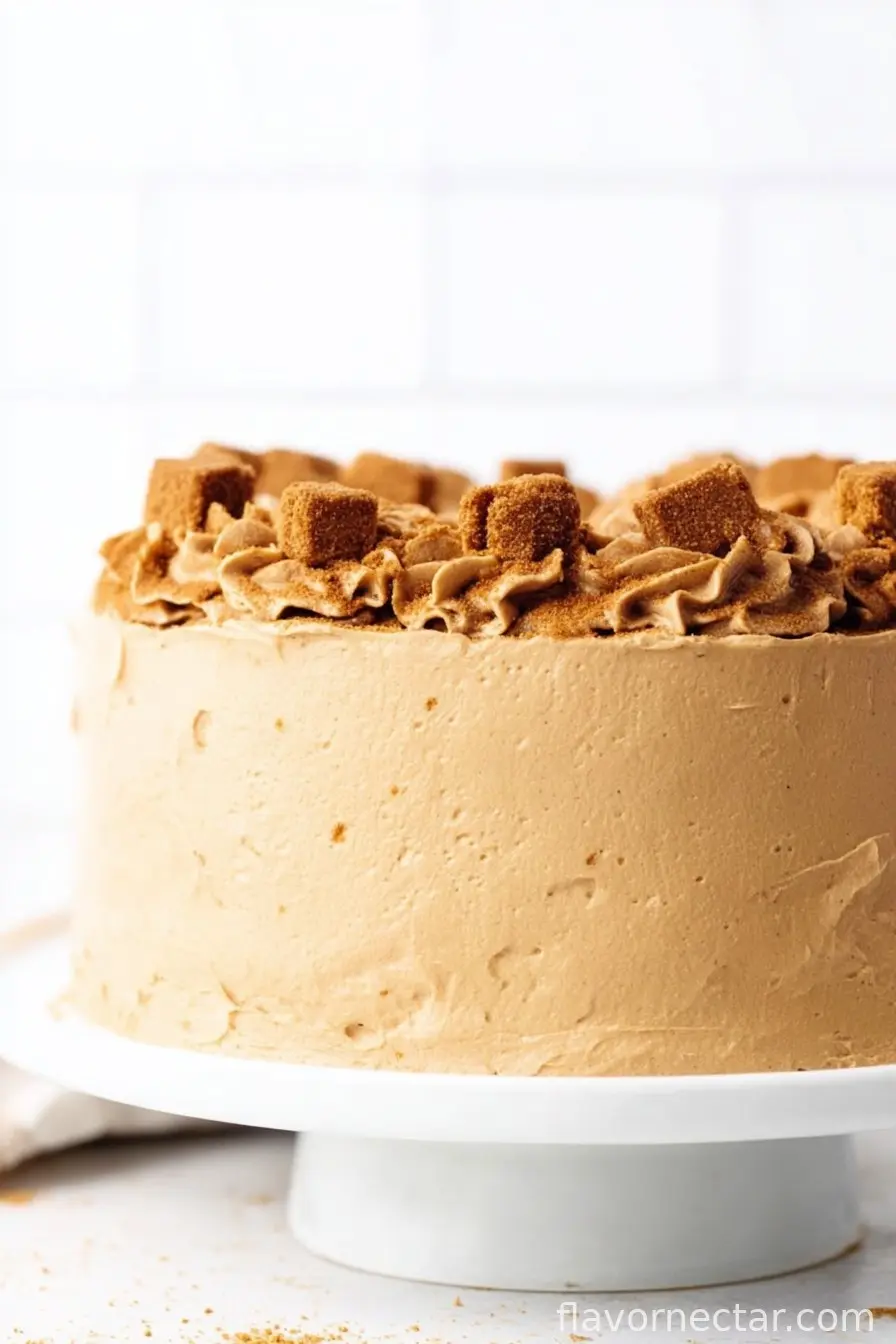
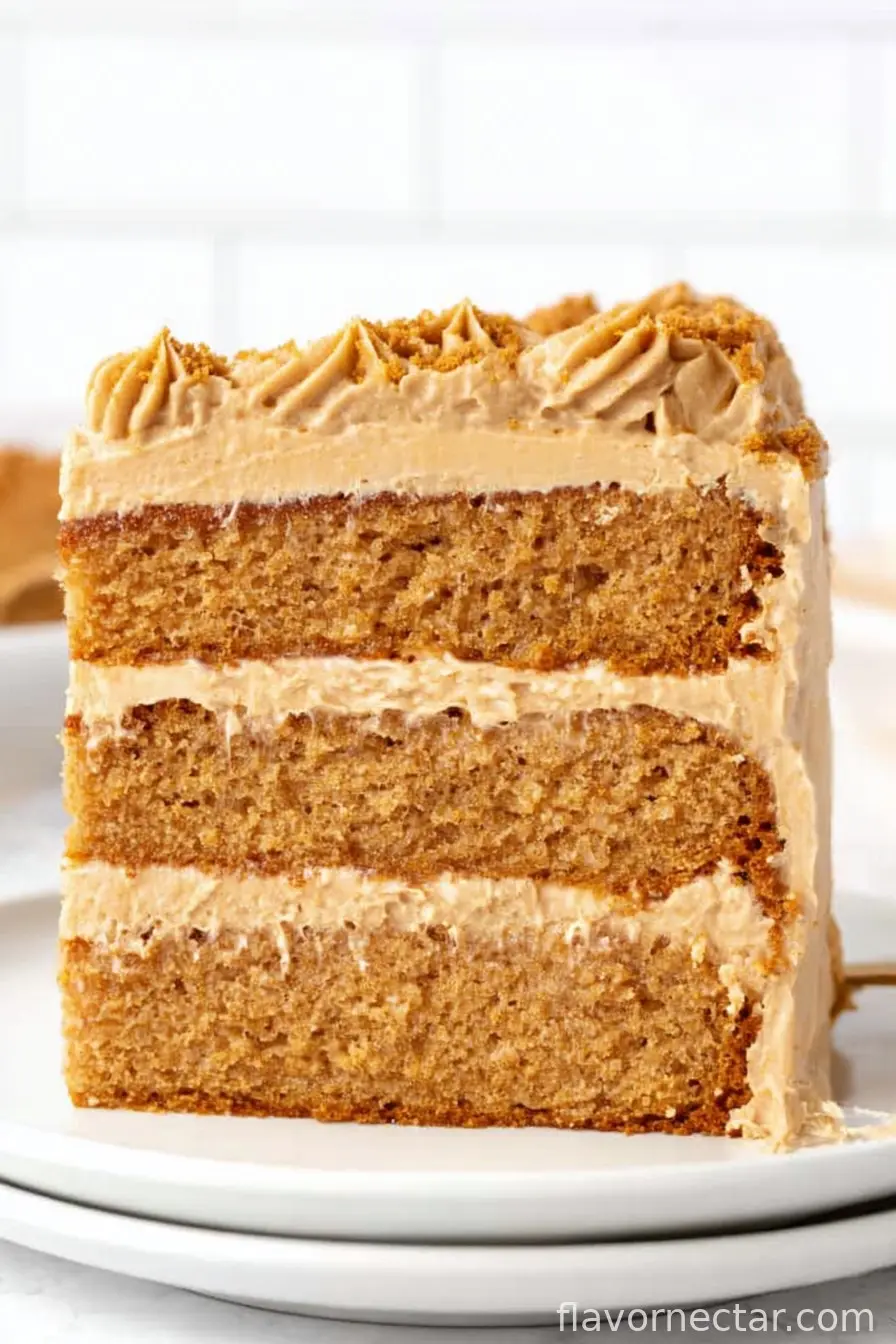
- Lather frosting on cooled cake. If you’re a maximalist, pile on extra Biscoff biscuits crushed up for crunch. My niece claims to only eat the part with the biscuit rubble on top.
Notes From My Kitchen Sink
- Remember I said to use softened butter? Once I just started with it straight form the fridge—nope, didn’t mix well and I ended up with buttery polka dots. Tasted fab though, just a bit weird looking.
- The more you beat the frosting, the fluffier it gets. Or, on second thought, just swirl it on and call it rustic—that’s my usual strategy anyway.
Variations – Experiments (and Mishaps)
- Tried adding cocoa powder once; it was all right, but honestly, it overpowered the biscoffy goodness. Wouldn’t recommend unless you’re mad for chocolate.
- I’ve swapped the butter in the cake for a plant-based block, and it came out surprisingly well.
- Once drizzled a little caramel on top, which was super sweet but my dad loved it—go figure.
If You Don’t Have the Fancy Gadgets (Equipment Banter)
No electric mixer? Pfft, I used a wooden spoon and sheer stubbornness for ages. Just work those biceps! For the frosting, a fork kinda works, though it gives you lumpier results and major patience points. And if you don’t have a cake tin, cupcakes totally work—adjust baking time to about 18-22 minutes.
How to Store It (If You Even Need to)
Tin or airtight container, room temp, and you’re golden for about 3 days. Or so they say—honestly, in my house, it never lasts more than a day! If you do fridge it, make sure it’s properly covered or it’ll dry out quicker than a British summer.
How I Serve It (Personal Preferences, No Shame)
A big fat slice, cup of tea in hand, and definitely a dollop of extra spread on the side if I’m feeling cheeky. Sometimes I stick a birthday candle in it, even if it’s not anyone’s birthday. My friends think it’s odd, but they eat it anyway.
What I Wish I’d Known (Pro Tips With a Side of Oops)
- I once tried to frost it before it was fully cool—big mistake, slided right off. Wait a bit, even if it’s calling your name.
- Don’t overbake thinking “a few more minutes won’t hurt”—it does. Dry as the Sahara, once. Never again.
Questions Friends (and My Mum) Ask
- Can I make it ahead of time? Absolutely. In fact, I think it tastes even better the next day, once the flavours have had a little dance together.
- Can I freeze it? Yup! I’ve wrapped slices in cling film and chucked them in the freezer. Texture’s slightly different, but I still rate it. If you want the frosting to stay spiffy, freeze the cake and make fresh icing later.
- What if I only have chunky Biscoff? Use it! Gives these lovely little pockets of crunch. Actually, I sometimes even prefer it (unless I’m trying to impress my mother-in-law).
- Can I halve the recipe? Sure can, just use a smaller tin or muffin pan. Might need to guess at bake time—just check early and often.
- Do I need to store it in the fridge? Not unless your kitchen is tropical. But the frosting does set up a bit more if chilled, which I oddly like.
So, there you go—a cake for tea breaks, birthdays, breakups, or just when you fancy a little taste of pure biscoffy joy. Go on, give it a bash, and let me know if your frosting ends up on the dog like mine did once (don’t ask, seriously).
Ingredients
- 2 cups all-purpose flour
- 1 1/2 cups granulated sugar
- 1 cup unsalted butter, softened
- 4 large eggs
- 1/2 cup Biscoff spread
- 1 cup whole milk
- 2 teaspoons baking powder
- 1/2 teaspoon salt
- 1 teaspoon vanilla extract
- 1/3 cup Biscoff cookies, crushed (for topping)
- 1/2 cup Biscoff spread (for buttercream)
- 2 cups powdered sugar (for buttercream)
- 1/2 cup unsalted butter, softened (for buttercream)
Instructions
-
1Preheat the oven to 350°F (175°C) and grease two 8-inch round cake pans. Line the bottoms with parchment paper.
-
2In a large bowl, cream together the softened butter and granulated sugar until light and fluffy. Beat in the eggs, one at a time, then mix in the vanilla extract and 1/2 cup Biscoff spread.
-
3In a separate bowl, combine the flour, baking powder, and salt. Add the dry ingredients to the wet mixture in three parts, alternating with additions of milk. Mix until just combined.
-
4Divide the batter evenly between the prepared pans. Bake for 30-35 minutes, or until a toothpick inserted into the center comes out clean. Let cakes cool completely.
-
5For the buttercream, beat together 1/2 cup Biscoff spread, 1/2 cup unsalted butter, and powdered sugar until smooth and creamy.
-
6Assemble the cake by spreading buttercream between the layers and on top. Gently warm additional Biscoff spread and drizzle it over the cake. Garnish with crushed Biscoff cookies.
CLICK FOR NUTRITION INFO
↑
Approximate Information for One Serving
Serving Size:
1 serving
Calories:
480 caloriescal
Protein:
6gg
Fat:
25gg
Saturated Fat:
0g
Trans Fat:
0g
Cholesterol:
0mg
Sodium:
0mg
Potassium:
0mg
Total Carbs:
59gg
Fiber:
0g
Sugar:
0g
Net Carbs:
0g
Vitamin A:
0
Vitamin C:
0mg
Calcium:
0mg
Iron:
0mg
Nutrition Disclaimers
Number of total servings shown is approximate. Actual number of servings will depend on your preferred portion sizes.
Nutritional values shown are general guidelines and reflect information for 1 serving using the ingredients listed, not including any optional ingredients. Actual macros may vary slightly depending on specific brands and types of ingredients used.
To determine the weight of one serving, prepare the recipe as instructed. Weigh the finished recipe, then divide the weight of the finished recipe (not including the weight of the container the food is in) by the desired number of servings. Result will be the weight of one serving.
Did you make this recipe?
Please consider Pinning it!!