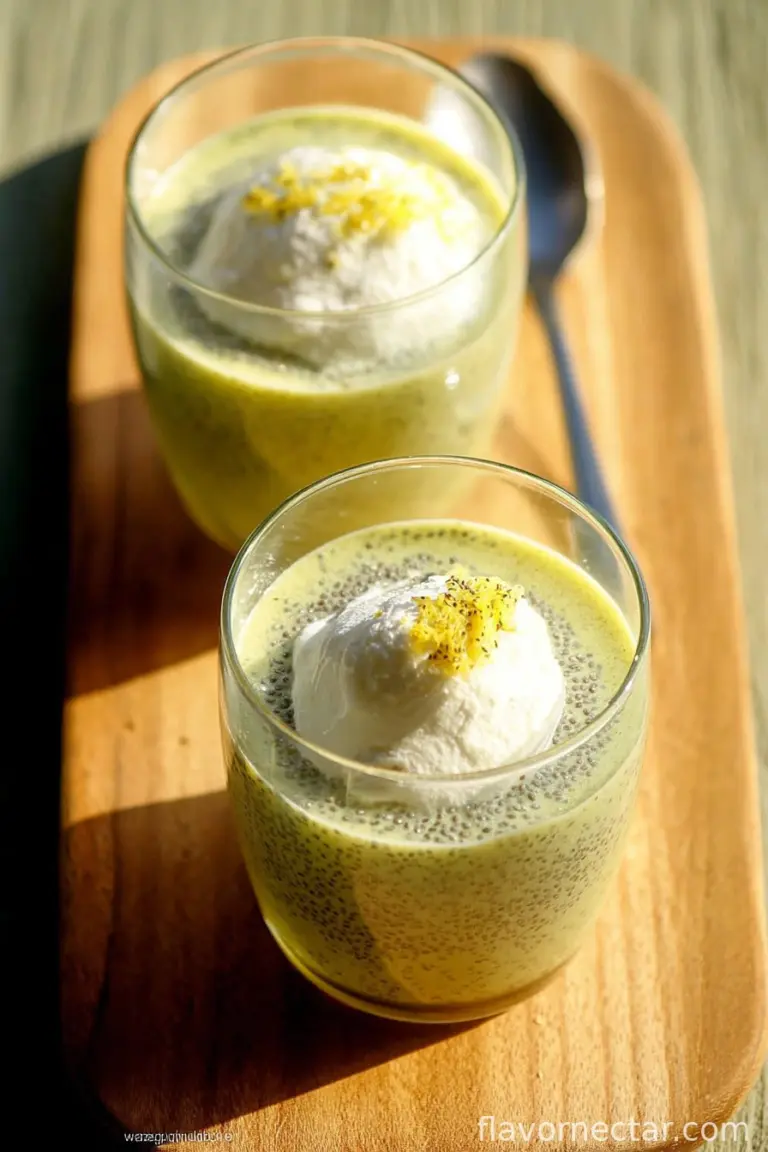
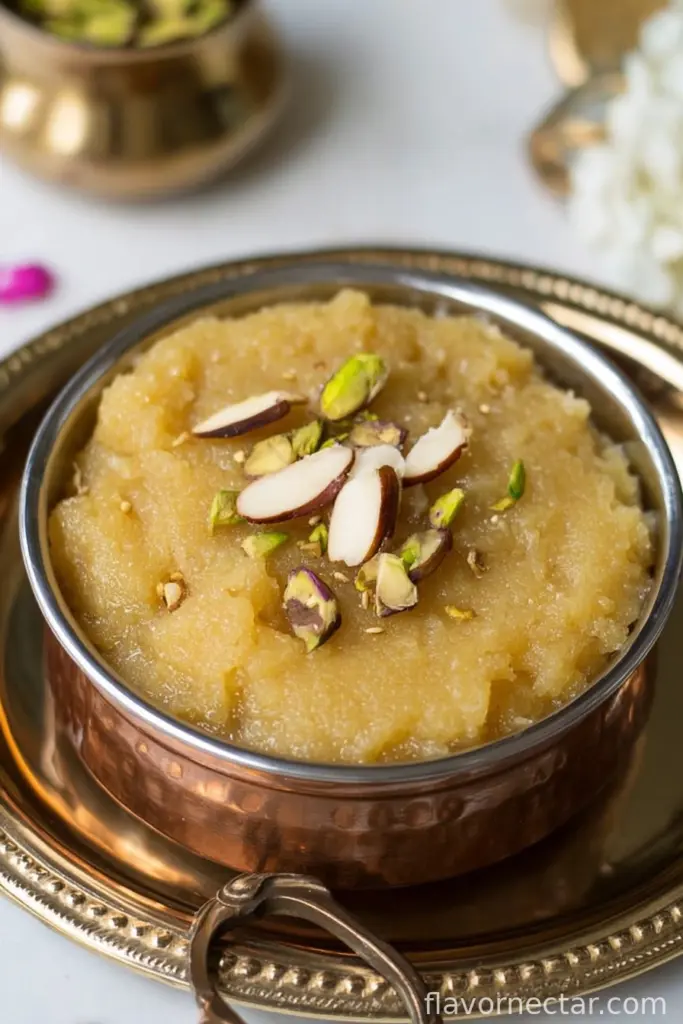
Sooji Halwa: More Than Just Breakfast (But Also Perfect for Breakfast)
Okay, so let’s rewind to a sleepy Sunday morning at my parents’ place—me in pajamas, still rubbing my eyes, and that unmistakable warm, sweet aroma floating through the house. Instantly awake! That, my friend, is the power of Sooji Halwa (you might know it as Indian Semolina Pudding, but honestly, “halwa” just feels right). Those mornings are long gone now, but the memory (and the recipe) is absolutely alive and well in my kitchen. By the way, I once dropped the whole pan right before serving—epic mess, but we ate it anyway.
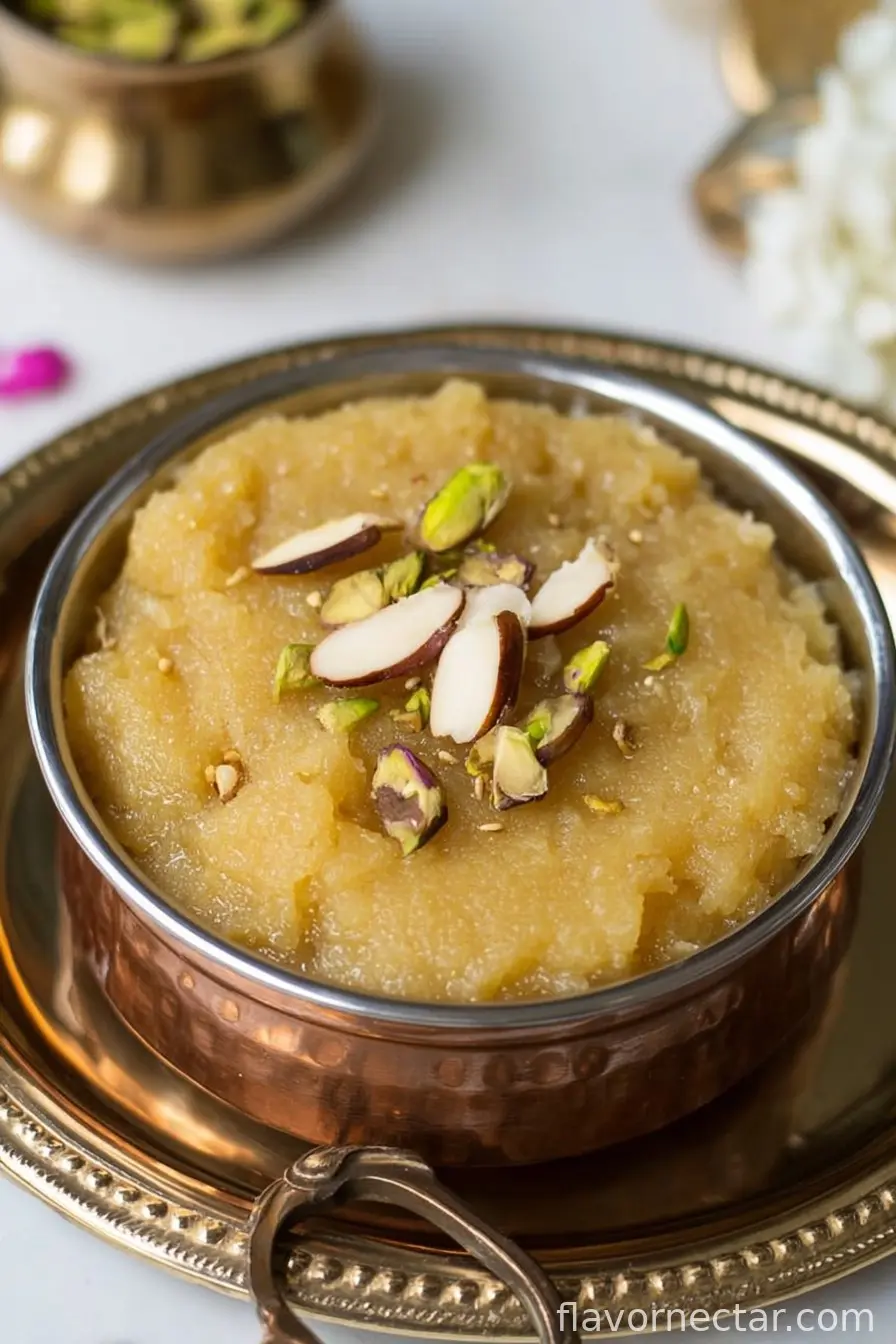
Why You’ll Love This (Or, Why My Family Does)
I make this when I want that lovely, cozy-not-fancy sweetness—and, let’s be totally honest, when I feel too lazy to bake something proper. My kids go nuts for it because it’s basically warm, buttery comfort in a bowl (and it’s somehow accepted as breakfast, which they think is bonkers). Honestly, I used to mess this up all the time, but trust me, if I can nail it now, you can too. Also… it’s cheap, and sometimes I’m late on groceries, so halwa to the rescue! (“Hey, you made dessert!” they say. Little do they know it took like 20 minutes and one pot.)
What You’ll Need (And My Random Ingredient Choices)
- 1 cup fine sooji (semolina; sometimes I use coarse if that’s all I’ve got—it just takes a bit longer, totally fine)
- 1/2 cup ghee (or unsalted butter, but ghee is classic; my grandmother always insisted on homemade—I’ve used store stuff, it’s fine!)
- 3/4 cup sugar (I’ve swapped in light brown sugar once and, honestly, no complaints from my crew)
- 2 1/2 cups water (you can do half water, half milk for a richer halwa, but full water is more traditional—I’ll flip-flop based on what’s open in the fridge)
- 1/4 teaspoon cardamom powder (I sometimes crush seeds fresh, but the jarred stuff is a huge time saver; up to you)
- 2 tablespoons raisins (optional; my kids pick them out, so often I just leave them off)
- 2 tablespoons chopped cashews or almonds (also optional; walnuts work in a pinch, but, er, don’t tell my mom I said that)
How I Actually Make Sooji Halwa (With My Usual Shortcuts)
- First, toss the ghee in a pan (heavy-bottomed is best, but honestly, any deep-ish saucepan works). Melt it gently over a low flame. If you hear loud sizzling, maybe nudge the heat down a bit.
- Throw in the sooji. Stir, and keep stirring—don’t walk away, or it’ll burn and suddenly smell sad instead of dreamy. You’ll want a light golden color and a toasty sweet aroma, about 7-10 minutes (sometimes I get distracted and it goes a little too brown; it’s still edible!).
- Add in the chopped nuts at this point, right into the semolina, so they toast along with it. If you forget, just scatter them over at the end—no big drama.
- Meanwhile (or before you start if you want zero panic later), bring your water (or your water-milk mix, if using) to a gentle boil in another saucepan or a kettle. You can add cold water straight to the pan, but it splutters and makes a mess, so…trust me, warm is safer, and my wrists have learned the hard way.
- Carefully pour the hot water into your toasted sooji. This bit can get volcanic, bubbling up and steaming, so really—watch your hands! Stir fast to keep it smooth. It might look lumpy here but keep the faith.
- When it’s thickened (this is where I usually sneak a small taste, even though it’s not sweet yet), toss in the sugar and the cardamom powder. Stir, and the halwa will loosen up a little—totally normal.
- Let it gently cook for another 2-4 minutes, until it thickens again and starts pulling away slightly from the pan edges. Pop in those raisins now, if you’re using them. Taste and adjust: more sugar? More ghee? Go for it. (But don’t burn your tongue. Voice of experience here.)
- Serve warm, with a few more nuts sprinkled on top if you’re feeling snazzy. Or, eat it right out of the pan as soon as the coast is clear. No judgement—promise.
Things I Figured Out the (Kinda) Hard Way
- Letting the semolina roast really does matter. If you rush, it tastes…oddly raw? Not great.
- If you use too much water, it gets a bit porridge-y. It’s not a complete disaster, but just fyi—halwa should be thick, not runny.
- Don’t stress about lumps—they work themselves out if you just keep stirring (and a whisk totally sorts it, though I usually forget to use one).
What About Changing It Up?
I’ve tried this halwa with coconut milk instead of water/milk, got a lovely twisty flavor (though my dad scrunched up his face at it). Once I added a pinch of saffron—fancy, yes, but honestly, cardamom hits the spot for me. Oh, and tried using jaggery instead of sugar once; it turns brown and deeply sweet, sorta “rustic”—give it a go if you’ve got some.
Do I Really Need Special Equipment?
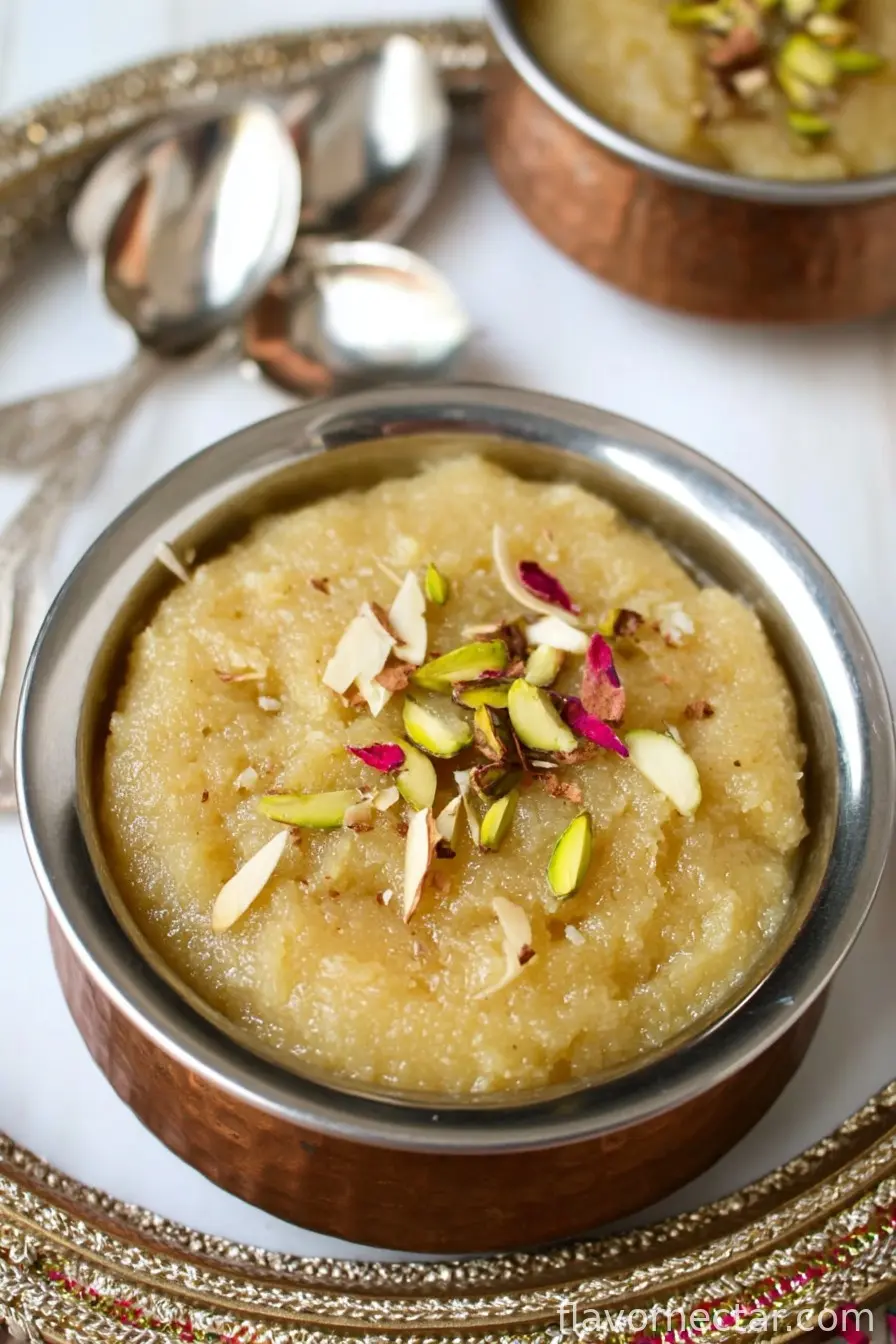
Not really. I always say a heavy-bottomed pan is kinda key (less risk of burning stuff), but I’ve used my thin, sad little aluminum pot and just stirred more—it worked out okay! And if you don’t have a whisk, just use whatever spoon you’ve got nearby.
Storing Sooji Halwa (But Expect It to Disappear Fast)
Technically, you can store halwa in an airtight box in the fridge for up to 3 days. It does get firmer, almost sliceable. But honestly, in my house it’s mysteriously gone by the next morning. To reheat, splash a bit of milk or water in and zap it in the microwave—back to soft heaven.
How I Like to Serve Halwa
We mostly eat it straight out of the pan—sometimes on mismatched mugs when it’s just me and my sister gossiping. But for guests (or when I’m feeling grown-up), I’ll put a few extra roasted cashews on top and serve with masala chai. My uncle eats it with puri (fried bread) for a “treat-yourself” brunch. Totally valid, but whew, that’s a big meal.
Pro Tips (aka, Learn From My Minor Mistakes)
- I once tried to rush the roasting step—don’t. It tasted raw, and nobody enjoyed the attempt.
- Adding sugar before the water makes the whole thing clump—always water first, then sugar. Trust me, I learned that real quick.
- If you want it super soft, add a teensy bit more water or ghee—but don’t overdo it or you’ll end up with a gooey puddle.
Questions I’ve Actually Gotten (And the Honest Answers)
Is this the same as sheera or kesari?
Pretty much! Different names, minor tweaks. Down south it’s often called kesari, and sometimes it’s bright orange (saffron or food color). In my house, it’s halwa, plain and simple.
Can I make this without ghee?
Yep, use unsalted butter or even vegetable oil in a pinch (I did once when I ran out—flavor changes but still works).
Help, mine’s clumpy!
No panic needed. Use a whisk or just aggressive stirring, and any lumps should disappear. Worst case, call it “rustic.”
Does it taste better the next day?
Actually, I tend to think so! Flavors settle and it gets nicely dense when chilled. But, warning, it’ll be firmer and a bit less buttery.
What if I have no cardamom?
Honestly, leave it out or toss in a bit of cinnamon or nutmeg instead. It won’t be exactly the same, but hey—still delicious.
(Quick side note: I weirdly love halwa for a midnight snack. Less traditional, but who’s checking?)
Ingredients
- 1 cup fine sooji (semolina; sometimes I use coarse if that’s all I’ve got—it just takes a bit longer, totally fine)
- 1/2 cup ghee (or unsalted butter, but ghee is classic; my grandmother always insisted on homemade—I’ve used store stuff, it’s fine!)
- 3/4 cup sugar (I’ve swapped in light brown sugar once and, honestly, no complaints from my crew)
- 2 1/2 cups water (you can do half water, half milk for a richer halwa, but full water is more traditional—I’ll flip-flop based on what’s open in the fridge)
- 1/4 teaspoon cardamom powder (I sometimes crush seeds fresh, but the jarred stuff is a huge time saver; up to you)
- 2 tablespoons raisins (optional; my kids pick them out, so often I just leave them off)
- 2 tablespoons chopped cashews or almonds (also optional; walnuts work in a pinch, but, er, don’t tell my mom I said that)
Instructions
-
1First, toss the ghee in a pan (heavy-bottomed is best, but honestly, any deep-ish saucepan works). Melt it gently over a low flame. If you hear loud sizzling, maybe nudge the heat down a bit.
-
2Throw in the sooji. Stir, and keep stirring—don’t walk away, or it’ll burn and suddenly smell sad instead of dreamy. You’ll want a light golden color and a toasty sweet aroma, about 7-10 minutes (sometimes I get distracted and it goes a little too brown; it’s still edible!).
-
3Add in the chopped nuts at this point, right into the semolina, so they toast along with it. If you forget, just scatter them over at the end—no big drama.
-
4Meanwhile (or before you start if you want zero panic later), bring your water (or your water-milk mix, if using) to a gentle boil in another saucepan or a kettle. You can add cold water straight to the pan, but it splutters and makes a mess, so…trust me, warm is safer, and my wrists have learned the hard way.
-
5Carefully pour the hot water into your toasted sooji. This bit can get volcanic, bubbling up and steaming, so really—watch your hands! Stir fast to keep it smooth. It might look lumpy here but keep the faith.
-
6When it’s thickened (this is where I usually sneak a small taste, even though it’s not sweet yet), toss in the sugar and the cardamom powder. Stir, and the halwa will loosen up a little—totally normal.
-
7Let it gently cook for another 2-4 minutes, until it thickens again and starts pulling away slightly from the pan edges. Pop in those raisins now, if you’re using them. Taste and adjust: more sugar? More ghee? Go for it. (But don’t burn your tongue. Voice of experience here.)
-
8Serve warm, with a few more nuts sprinkled on top if you’re feeling snazzy. Or, eat it right out of the pan as soon as the coast is clear. No judgement—promise.
CLICK FOR NUTRITION INFO
↑
Approximate Information for One Serving
Serving Size:
1 serving
Calories:
430 caloriescal
Protein:
5gg
Fat:
18gg
Saturated Fat:
0g
Trans Fat:
0g
Cholesterol:
0mg
Sodium:
0mg
Potassium:
0mg
Total Carbs:
62gg
Fiber:
0g
Sugar:
0g
Net Carbs:
0g
Vitamin A:
0
Vitamin C:
0mg
Calcium:
0mg
Iron:
0mg
Nutrition Disclaimers
Number of total servings shown is approximate. Actual number of servings will depend on your preferred portion sizes.
Nutritional values shown are general guidelines and reflect information for 1 serving using the ingredients listed, not including any optional ingredients. Actual macros may vary slightly depending on specific brands and types of ingredients used.
To determine the weight of one serving, prepare the recipe as instructed. Weigh the finished recipe, then divide the weight of the finished recipe (not including the weight of the container the food is in) by the desired number of servings. Result will be the weight of one serving.
Did you make this recipe?
Please consider Pinning it!