
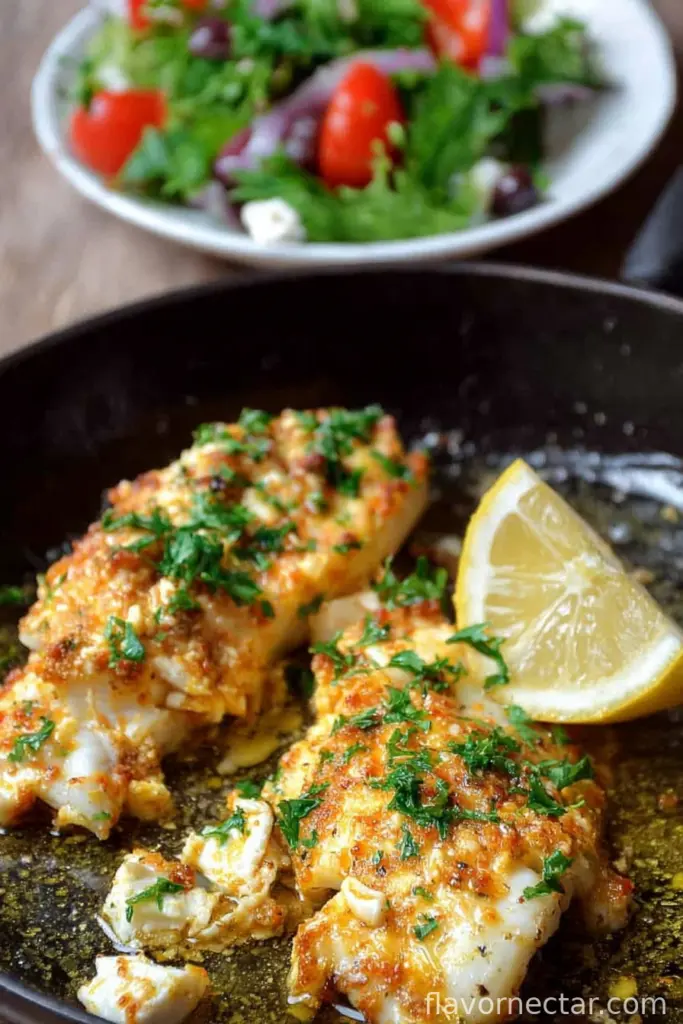
If You Want Dinner Sorted Fast…
I’ve got a story for you. So, a few years back, my neighbor hands me this giant piece of cod (I suspect he’s trying to clear out his freezer, but hey, a free meal is a free meal). I wasn’t exactly a seafood maestro at the time – more like, “How do you make fish not taste like fish?” kind of home cook. Anyway, after a bit of experimenting and a few so-so meals later, I landed on this baked cod recipe with lemon and garlic. And you know what? Suddenly, the family stopped groaning when they smelled fish in the oven. Imagine that!
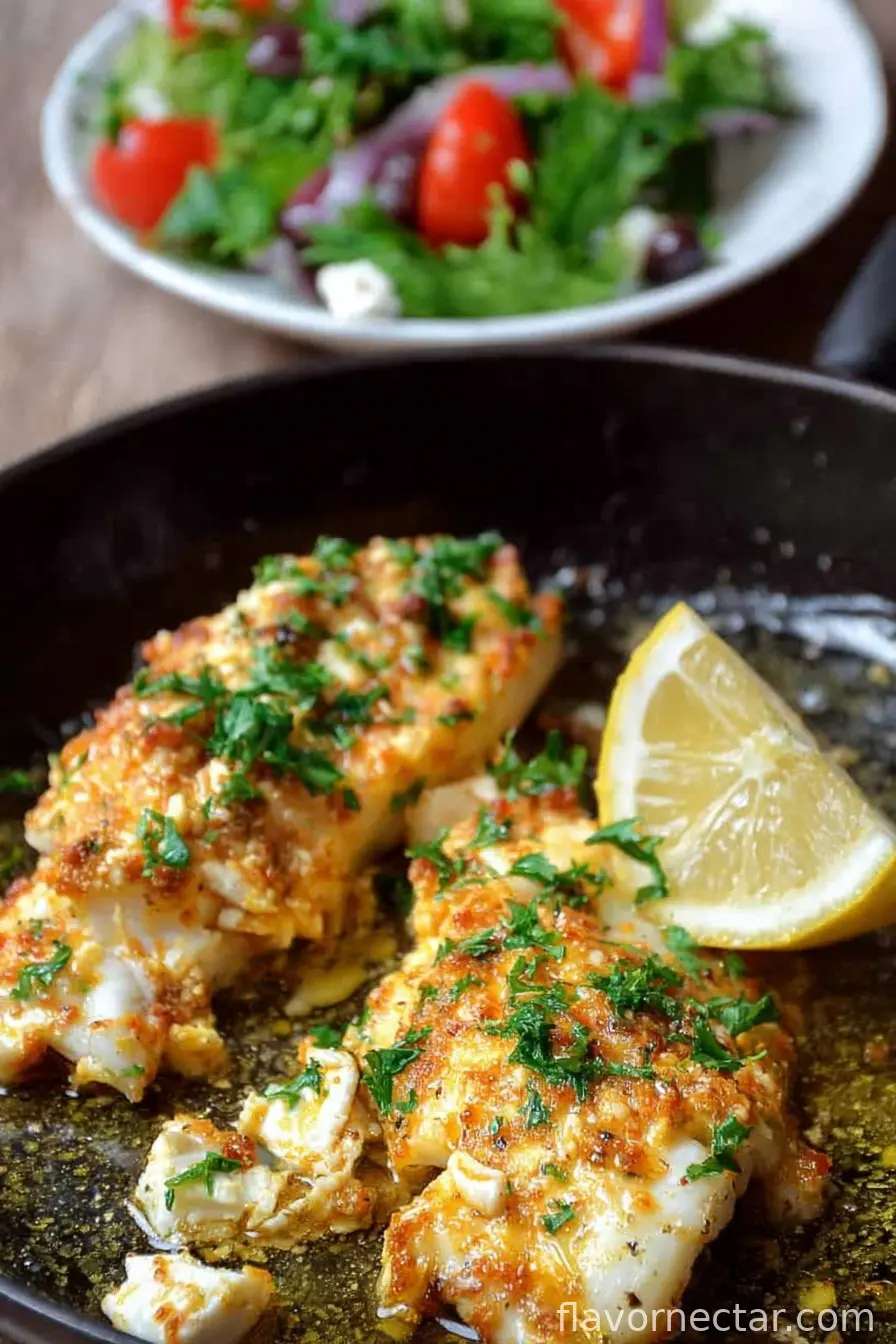
Honestly, by the third time I made it, my youngest was practically sticking her fork into the tray before I could get it to the table. That’s when I knew we were onto something good. Anyway, if you need a dinner that’s minimal faff, maximum taste, and will make people think you’re fancier than you actually are, you’re in the right place.
Why I Keep Coming Back to This Recipe
I make this when I’ve got about thirty minutes and very little patience. It always seems to be the middle of the week, and I really should’ve gone to the shops but didn’t. My family goes a bit bananas for this one (I have to actively guard the lemon so the whole lot doesn’t get eaten before serving). Plus, cleanup isn’t a nightmare, which, if you’ve ever left fish pans in the sink “to soak,” you know is a blessing.
I used to be the person who overcooked fish out of fear—nobody ever wants dry cod, trust me—but after a few slightly leathery dinners, I learned the trick is not to get distracted. Easier said than done, right?
What I Throw In (And Swap Out in a Pinch)
- 4 cod fillets (about 150g each) – Sometimes I use frozen if it’s all I’ve got. Just thaw first. Haddock also works in a pinch.
- 2 big cloves garlic, minced – If I’m lazy, a small spoon of jarred garlic does the trick; no judgment.
- 1 lemon, zested and juiced – My mate swears by Meyer lemons, but regular ones are fine (even a splash of bottled juice works, though don’t tell the purists).
- 3 tbsp olive oil – Sometimes I just eyeball it, honestly.
- Salt and pepper – I’m not precious, just a good shake each.
- 2 tbsp fresh parsley, chopped, or a big pinch of dried if that’s what you’ve got.
- Optional: a few cherry tomatoes, halved – It adds color but I skip it if I can’t be faffed.
How I Actually Do It
- Preheat the oven to 200°C (so, about 400°F if you’re across the pond). Get out a baking dish – nothing fancy, whatever’s clean.
- Pat the cod dry like you mean it. Seriously, extra moisture just makes it weird. Lay the fillets in the dish, leaving a bit of room between each – I used to cram them in, but they cook better with space.
- Mix together olive oil, garlic, half the lemon zest, and juice in a mug or bowl (sometimes I stir it with a fork right in the measuring jug – less washing up).
- Pour the lemony garlic mixture all over the fish. Use a spoon to splash any that tries to hide in the corners right onto the fillets. This is where I usually sneak a little taste, but fair warning—raw garlic can be a bit much. Sprinkle a nice lot of salt, pepper, and the rest of the zest over the top. Chuck on the parsley, too. Tomatoes can go in now if you’re using them (sometimes I just eat them raw instead, because why not?).
- Bake uncovered in the oven for about 12–15 minutes. The fish should flake when you poke it with a fork, but not be falling apart. Don’t fret if it looks a bit see-through at the edges early on; it all comes together. (And if you forget it for an extra couple minutes, well, just blame the oven, not the cook.)
- Give it a quick squeeze of any leftover lemon juice after pulling it out. Let it rest a few minutes – or don’t, my lot usually start attacking before I can stop them.
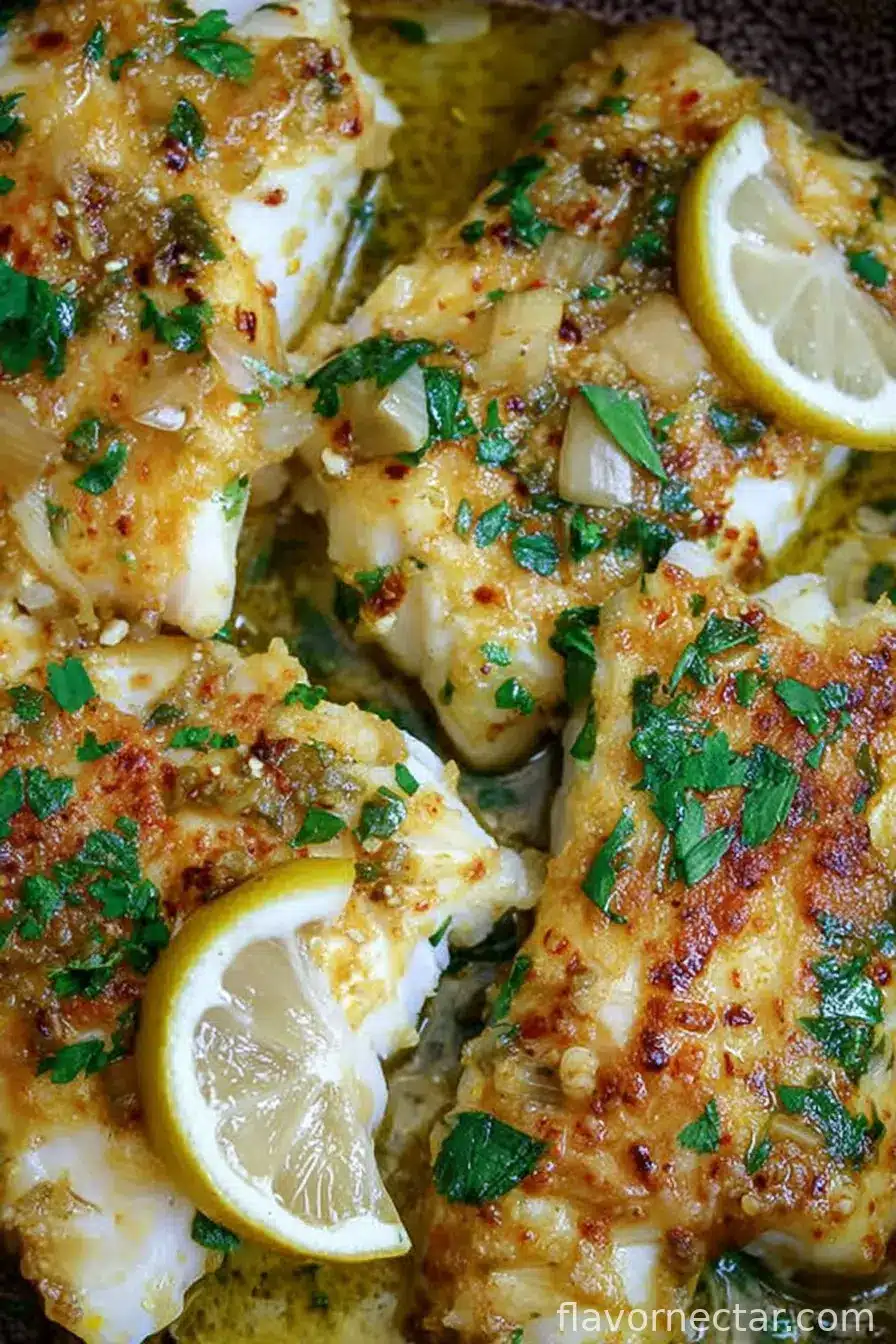
Some Notes From My Many Attempts
- I’ve tried making this with lime once instead of lemon; not bad, but kind of weird with garlic. Probably wouldn’t bother again.
- Don’t skimp on oil (I once tried to be healthy. Just… don’t. It needs it.)
- Fresh parsley looks nice but, honestly, dried works in the winter.
- I think this tastes better the next day, cold, straight out of the fridge – though nobody else here agrees with me!
Things I’ve Done (And One I Wouldn’t Repeat)
- Thrown a handful of breadcrumbs on top for a bit of crunch – this is lovely if you’ve old bread lying about.
- Chucked in capers – salty, but it works with the lemon.
- I once added too much rosemary on a whim. My daughter said it tasted like eating a garden bush. Lesson learned.
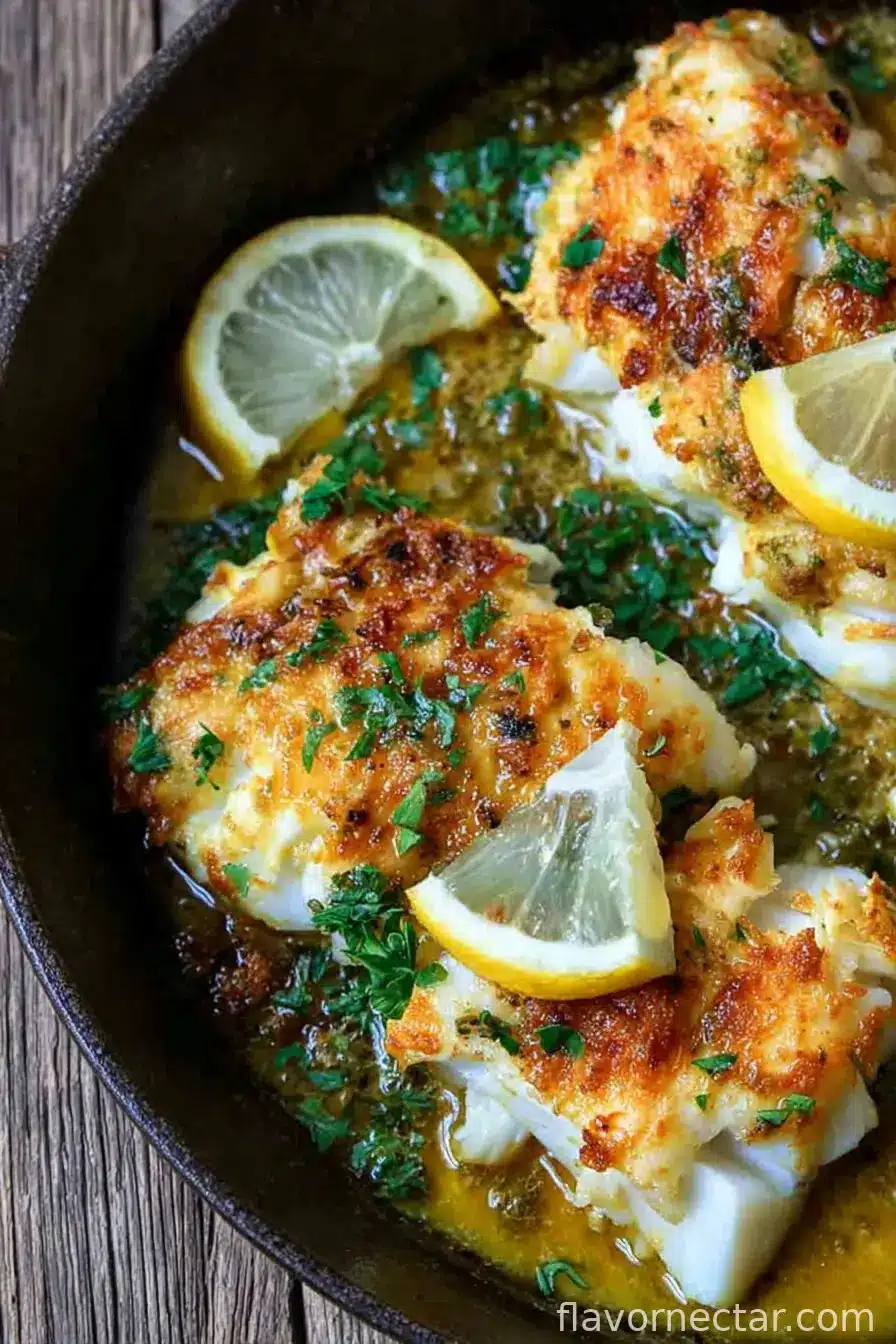
What You’ll Need, Or Just Make Do
- Baking dish – I’ve used a big cake pan in emergencies, works fine too.
- A knife for chopping, and a grater for lemon zest—but, look, if all else fails, just peel some strips and chop them up tiny.
- Cutting board. Or a clean plate in a pinch (don’t come after me, chefs!).
How Long Can You Keep It?
Leftovers (if you have any) keep well in the fridge up to two days, sealed in a container. Though honestly, in my house it never lasts more than a day; people sneak in for seconds late at night. If you try to freeze it, the texture gets a bit odd, but not inedible. I mean, probably better to eat it fresh.
How We Serve It (and a Digression About Potatoes)
You can go classic with steamed greens or posh up with a herby potato salad. Personally, a hunk of crusty bread for mopping up the lemony juices is non-negotiable. Sometimes we just have chips (fries, for American friends) on the side, because why pretend to be something you’re not? Oh, and don’t forget a cold beer or sparkling water. Once I tried pairing it with risotto, but let’s just say… it was a lot of stirring for not much extra enjoyment.
Stuff I Wish I’d Known Sooner
- Don’t try to rush the baking. I once cranked the heat up thinking I’d save time – nope, just dried out the fish. Slow and steady is better, even if it means you’re hovering by the oven.
- Actually, I find it works better if you pat the cod super dry before you add anything; makes everything stick better, too.
- If you’re using frozen fish, just let it fully defrost – wateriness is not your friend here.
Questions I Keep Getting (and What I Actually Say)
- Can I use another fish instead of cod?
- Absolutely! I’ve done this with haddock, pollock (once, when cod was silly expensive), and even tilapia. Just adjust the baking time if the fillets are thinner.
- What if I don’t have fresh lemons?
- Bottle lemon juice is fine. Seriously, nobody has the time for weekly lemon runs. Just don’t go overboard, since it can be quite zingy.
- Should I cover the dish?
- Nope, leave it uncovered. Unless you want steamed cod, which is, um, a different vibe entirely.
- How do I know when it’s done?
- If it flakes with a fork and turns opaque, you’re golden. If you’re really not sure, a quick poke in the thickest part usually tells you. And yes, it’s okay to taste a little piece!
- Do kids actually eat this?
- Mine do, though you might have to go easy on the garlic if you’ve got “delicate” eaters at your table. Or just call it ‘lemony fish’ and cross your fingers—worked for me!
Ingredients
- 4 cod fillets (about 5 oz each)
- 2 tablespoons olive oil
- 2 tablespoons fresh lemon juice
- 2 teaspoons lemon zest
- 3 garlic cloves, minced
- 1 teaspoon dried oregano
- Salt and freshly ground black pepper, to taste
- 2 tablespoons chopped fresh parsley
- Lemon slices, for garnish
Instructions
-
1Preheat the oven to 400°F (200°C). Lightly grease a baking dish with olive oil or cooking spray.
-
2Pat the cod fillets dry with paper towels and arrange them in a single layer in the prepared baking dish.
-
3In a small bowl, mix together olive oil, lemon juice, lemon zest, minced garlic, oregano, salt, and pepper.
-
4Pour the lemon-garlic mixture evenly over the cod fillets. Top with lemon slices.
-
5Bake for 16-18 minutes, or until the cod is opaque and flakes easily with a fork.
-
6Remove from the oven, sprinkle with fresh parsley, and serve immediately.
CLICK FOR NUTRITION INFO
↑
Approximate Information for One Serving
Serving Size:
1 serving
Calories:
180cal
Protein:
27 gg
Fat:
7 gg
Saturated Fat:
0g
Trans Fat:
0g
Cholesterol:
0mg
Sodium:
0mg
Potassium:
0mg
Total Carbs:
2 gg
Fiber:
0g
Sugar:
0g
Net Carbs:
0g
Vitamin A:
0
Vitamin C:
0mg
Calcium:
0mg
Iron:
0mg
Nutrition Disclaimers
Number of total servings shown is approximate. Actual number of servings will depend on your preferred portion sizes.
Nutritional values shown are general guidelines and reflect information for 1 serving using the ingredients listed, not including any optional ingredients. Actual macros may vary slightly depending on specific brands and types of ingredients used.
To determine the weight of one serving, prepare the recipe as instructed. Weigh the finished recipe, then divide the weight of the finished recipe (not including the weight of the container the food is in) by the desired number of servings. Result will be the weight of one serving.
Did you make this recipe?
Please consider Pinning it!!