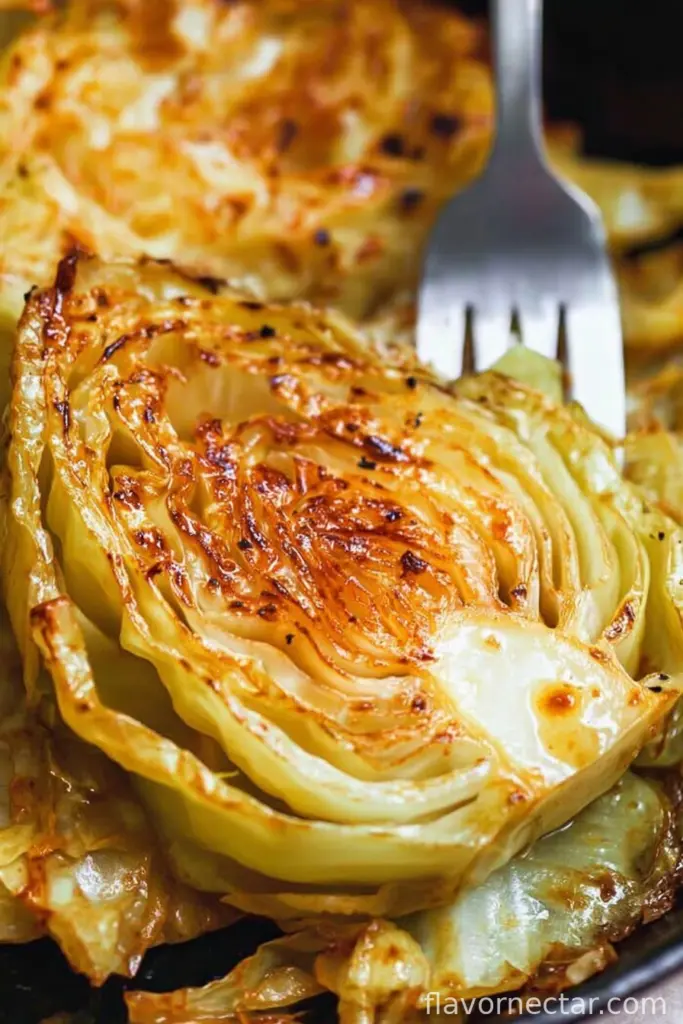
Hey, Have You Tried Roasted Cabbage Steaks?
Alright, confession time: I used to roll my eyes every time someone tried to tell me cabbage could be exciting. My grandmother practically wallpapered the kitchen with it, and let’s just say none of her recipes involved anything crisp. But then, one random Tuesday (I think I was procrastinating on doing laundry), I roasted some cabbage “steaks” out of sheer curiosity…and, well, let’s just say the laundry stayed unfolded and I ate half the tray standing at the counter.
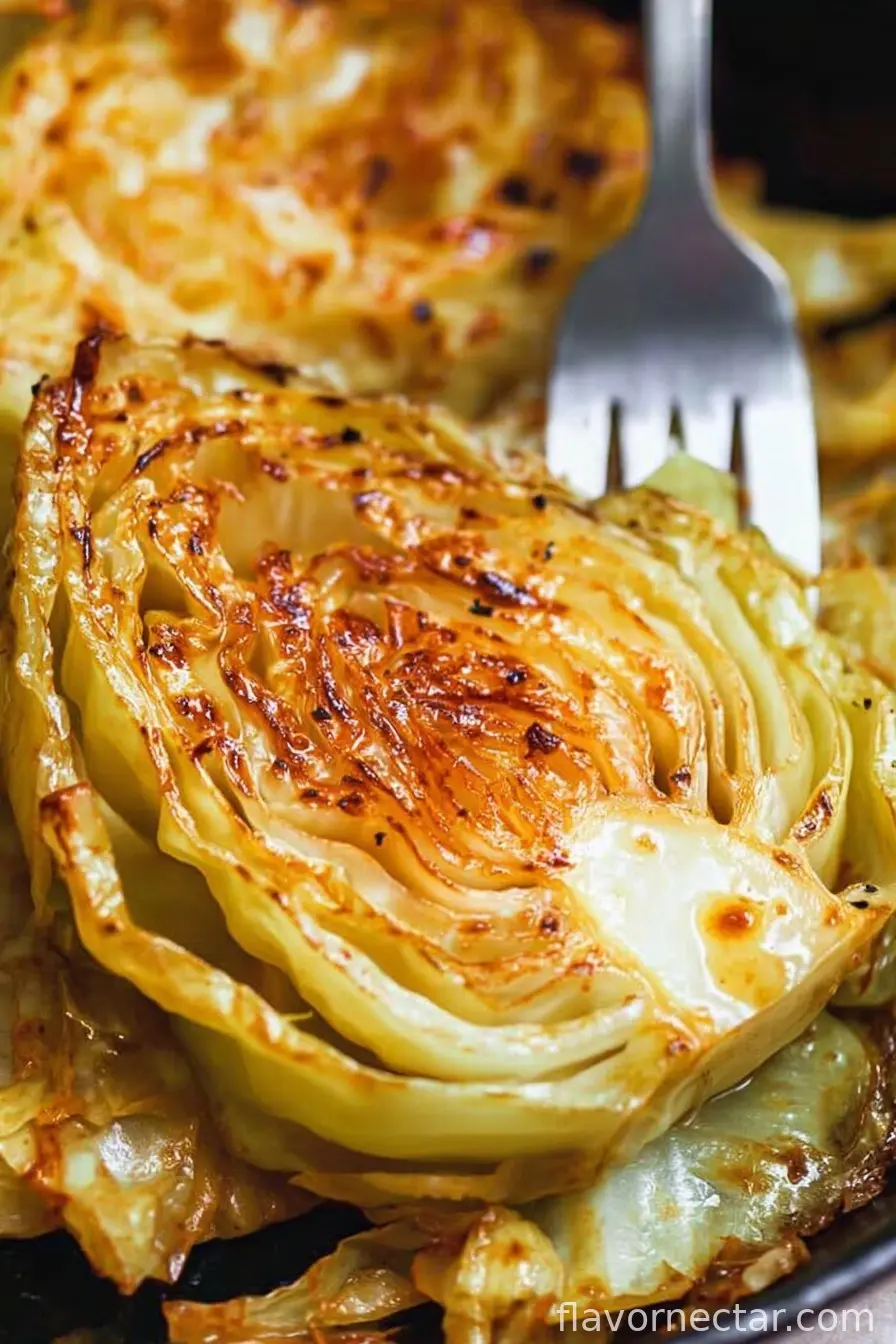
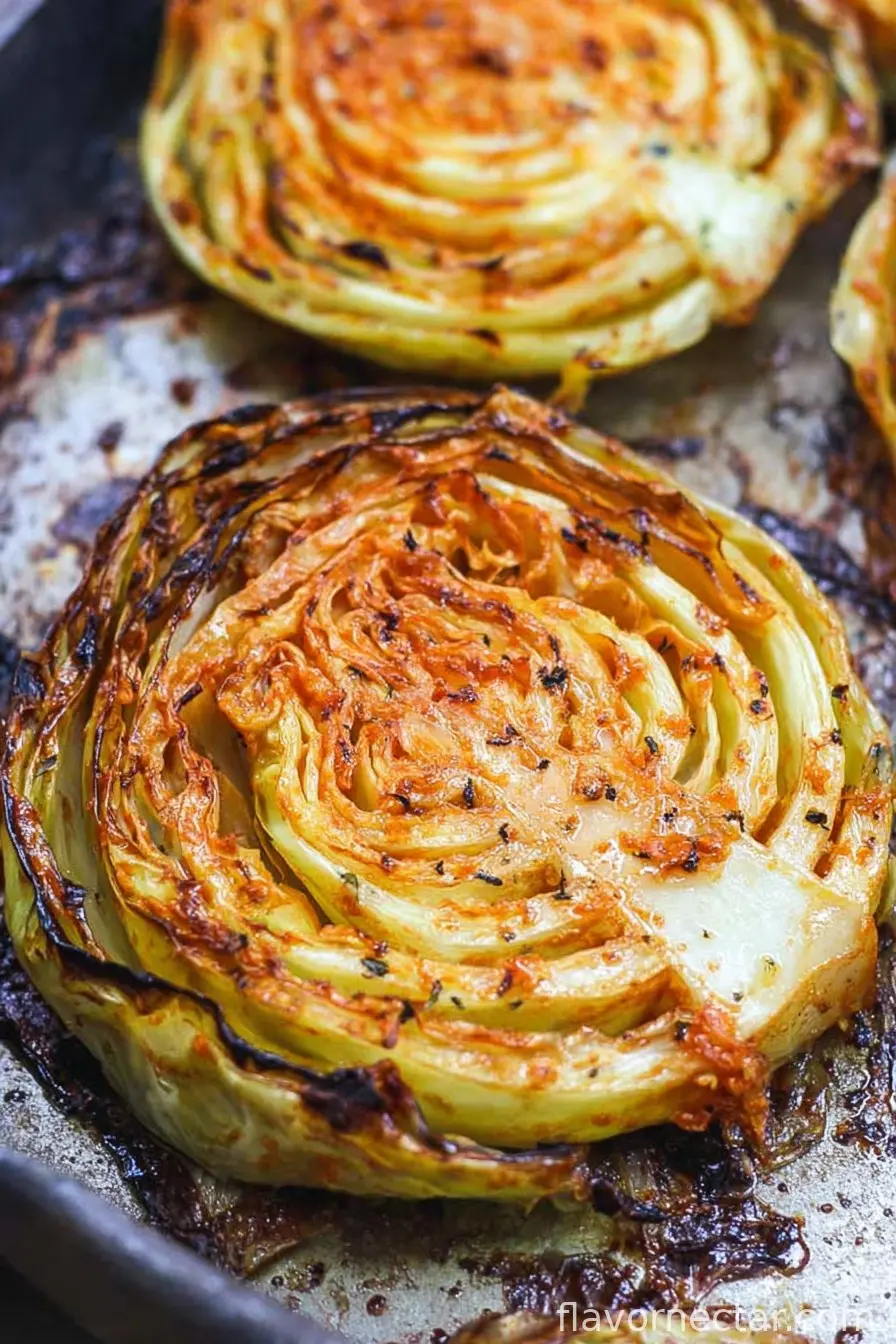
It’s not as fiddly as it sounds—promise. It’s just thick slabs of cabbage with some love and olive oil, roasted until those edges get all golden and the middle turns a bit sweet. And let’s be real, anything that lets me use up that squat cabbage in the back of my fridge deserves a medal.
Why You’ll Love Roasted Cabbage Steaks (I Mean, I Do!)
I make this when I’m in a I-should-eat-a-vegetable mood, or when my family starts making “do we have to eat cabbage?” faces. But then I pull this out of the oven and—bam—everyone is suddenly a fan. Even my nephew, who claims veggies are “suspicious.” (Honestly, roasted cabbage is like crispy potato’s less moody cousin.)
Also: One pan, barely any chopping, and basically no cleanup if you’re clever with parchment. My only real complaint? You need a big oven because a small pan will just steam everything and, trust me, you don’t want steamed cabbage. Been there, lived to regret it.
Gather These Ingredients (But Don’t Stress About Subbing!)
- 1 large head of green cabbage (I’ve used purple in a pinch—looks wild but tastes good!)
- 3 tbsp olive oil (or melted butter if you’re feeling extra)
- 1 tsp garlic powder (I sometimes swap in onion powder; or do a mix if I’m feeling wild)
- 1/2 tsp smoked paprika (my gran swore by sweet paprika, but I can’t tell the difference)
- Salt, to taste (I do a generous few pinches; there’s no science, just vibes)
- Black pepper, to taste (sometimes I go heavy here, sometimes not)
- Optional: a squeeze of lemon, chopped fresh parsley, or grated parmesan for serving (totally skippable, but nice if you’re showing off)
How to Make Roasted Cabbage Steaks (Just Trust the Process)
- Preheat your oven to 220°C (about 425°F). If your oven runs hot (like mine), maybe go a smidge lower. Line a big baking sheet with parchment. No parchment? Grease it well or, actually, foil is fine too.
- Remove any gnarly outer cabbage leaves (they’re always a bit sad looking).
- With a big knife, chop the cabbage into thick rounds—think about 2 to 2.5 cm wide (about an inch). If they fall apart, don’t freak out—just push them back together again.
- Arrange the slices on the tray. Some overlap? It’s alright, but not too much or you’ll get steamed ‘steaks’ (lesson learned).
- Grab a small bowl. Mix olive oil, garlic powder, paprika, salt, and pepper. Brush this on both sides of the cabbage. (Or, in a rush, drizzle it over and smear it around with your hands.)
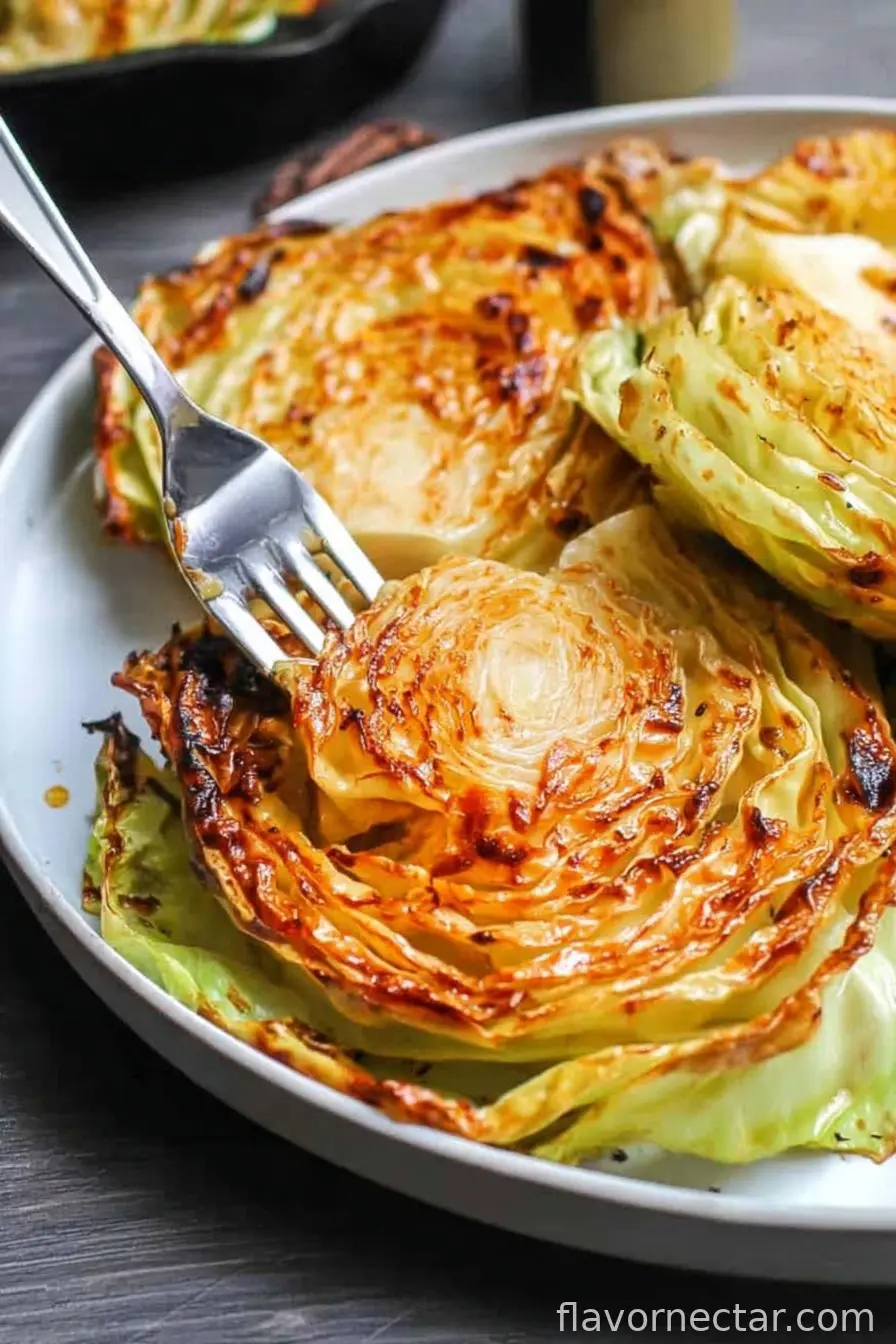
- Roast for 20 minutes, then check—sometimes I flip them; sometimes I forget and it’s still fine. Give another 15–20 minutes, or until the edges are golden and crisp but not exactly burnt. If they’re a bit soft in the middle, actually, that’s my favorite part.
- Remove and—this is where I usually sneak a crispy edge or two. Squeeze on lemon, scatter herbs or cheese if you’ve got ‘em, and serve warm.
Notes from My Kitchen Experiments
- Cabbage slices fall apart a bit—don’t sweat it. The looser leaves taste best anyway.
- If you cut them too thin, they’ll burn (ask me how I know—I’ll never get that smell out)
- Actually, it works better if the cabbage is cold from the fridge. Not sure why, but mine always seems crisper.
Variations: Some Worked, Some…Well
- I once tossed on some chili flakes before roasting. Instant heat, which was great until my brother-in-law got the ‘spicy’ one and panicked—use carefully!
- Sprinkling with Italian seasoning was lovely. Tried soy sauce once… tasted odd. Maybe skip that.
- Red cabbage looks dramatic but sometimes dries out faster, so watch it closer.
Equipment (But Improv if You Must)
- Baking sheet—big as you’ve got! (If not, do two smaller batches. Or, I’ve balanced them on my pizza tray before. Bit weird, but it worked.)
- Sharp knife. Dull ones will just shred it—and your patience.
- Pastry brush for the oil, unless you’re happy to get messy (I usually just use my hands, if we’re honest)
Storing Leftovers (On the Off Chance You Have Any)
Keep in a container in the fridge, covered. I’ve read you can reheat them for 2–3 days, but honestly, in my house it never lasts more than a day. They go softer but the flavor’s great cold, too.
Serving Ideas (Our Family Style)
I love these as a side to literally anything—roast chicken, sausages, or even as a quick lunch with a fried egg on top. My cousin puts sour cream and dill on hers, which… actually, not bad if you like that tangy thing.
A Few Pro Tips (Learned the Hard Way)
- Don’t rush the roasting. I once tried cranking the oven to ‘max’ thinking I was a genius. Charcoal disks, that’s all I got.
- Clean the tray soon after, or the cabbage bits glue on like barnacles.
Real Questions People Have Asked Me
- Can I use Savoy or Napa cabbage? Oh sure, but they’re a bit softer so don’t roast as long. Texture’s not quite the same, but they work in a pinch.
- Do I have to flip the slices? Honestly, I’ve done both. Flipping makes them a tiny bit more even, but I occasionally “forget” and no one’s called the food police.
- How do I stop cabbage from smelling? Guess you can’t totally, but the smell’s not nearly as strong as boiling. Roasting turns it sweet. Open a window if you’re worried, haha.
- Can I make these ahead? You can, but crispness fades. Best freshly made (or just be like me and eat the leftovers cold for breakfast. Is that weird?)
And, just between us, this recipe also doubles as a way to convince suspicious toddlers—or adults, no shame—to eat their greens without feeling like punishment. Anyway, hope you try it. The refrigerator cabbage deserves better than being the last veggie on the shelf yet again.
Ingredients
- 1 large head of green cabbage (I’ve used purple in a pinch—looks wild but tastes good!)
- 3 tbsp olive oil (or melted butter if you’re feeling extra)
- 1 tsp garlic powder (I sometimes swap in onion powder; or do a mix if I’m feeling wild)
- 1/2 tsp smoked paprika (my gran swore by sweet paprika, but I can’t tell the difference)
- Salt, to taste (I do a generous few pinches; there’s no science, just vibes)
- Black pepper, to taste (sometimes I go heavy here, sometimes not)
- Optional: a squeeze of lemon, chopped fresh parsley, or grated parmesan for serving (totally skippable, but nice if you’re showing off)
Instructions
-
1Preheat your oven to 220°C (about 425°F). If your oven runs hot (like mine), maybe go a smidge lower. Line a big baking sheet with parchment. No parchment? Grease it well or, actually, foil is fine too.
-
2Remove any gnarly outer cabbage leaves (they’re always a bit sad looking).
-
3With a big knife, chop the cabbage into thick rounds—think about 2 to 2.5 cm wide (about an inch). If they fall apart, don’t freak out—just push them back together again.
-
4Arrange the slices on the tray. Some overlap? It’s alright, but not too much or you’ll get steamed ‘steaks’ (lesson learned).
-
5Grab a small bowl. Mix olive oil, garlic powder, paprika, salt, and pepper. Brush this on both sides of the cabbage. (Or, in a rush, drizzle it over and smear it around with your hands.)
-
6Roast for 20 minutes, then check—sometimes I flip them; sometimes I forget and it’s still fine. Give another 15–20 minutes, or until the edges are golden and crisp but not exactly burnt. If they’re a bit soft in the middle, actually, that’s my favorite part.
-
7Remove and—this is where I usually sneak a crispy edge or two. Squeeze on lemon, scatter herbs or cheese if you’ve got ‘em, and serve warm.
CLICK FOR NUTRITION INFO
↑
Approximate Information for One Serving
Serving Size:
1 serving
Calories:
120 caloriescal
Protein:
3gg
Fat:
8gg
Saturated Fat:
0g
Trans Fat:
0g
Cholesterol:
0mg
Sodium:
0mg
Potassium:
0mg
Total Carbs:
11gg
Fiber:
0g
Sugar:
0g
Net Carbs:
0g
Vitamin A:
0
Vitamin C:
0mg
Calcium:
0mg
Iron:
0mg
Nutrition Disclaimers
Number of total servings shown is approximate. Actual number of servings will depend on your preferred portion sizes.
Nutritional values shown are general guidelines and reflect information for 1 serving using the ingredients listed, not including any optional ingredients. Actual macros may vary slightly depending on specific brands and types of ingredients used.
To determine the weight of one serving, prepare the recipe as instructed. Weigh the finished recipe, then divide the weight of the finished recipe (not including the weight of the container the food is in) by the desired number of servings. Result will be the weight of one serving.
Did you make this recipe?
Please consider Pinning it!